
818's Outpost at Coachella
A Masterclass in Brand Ecosystem Curation
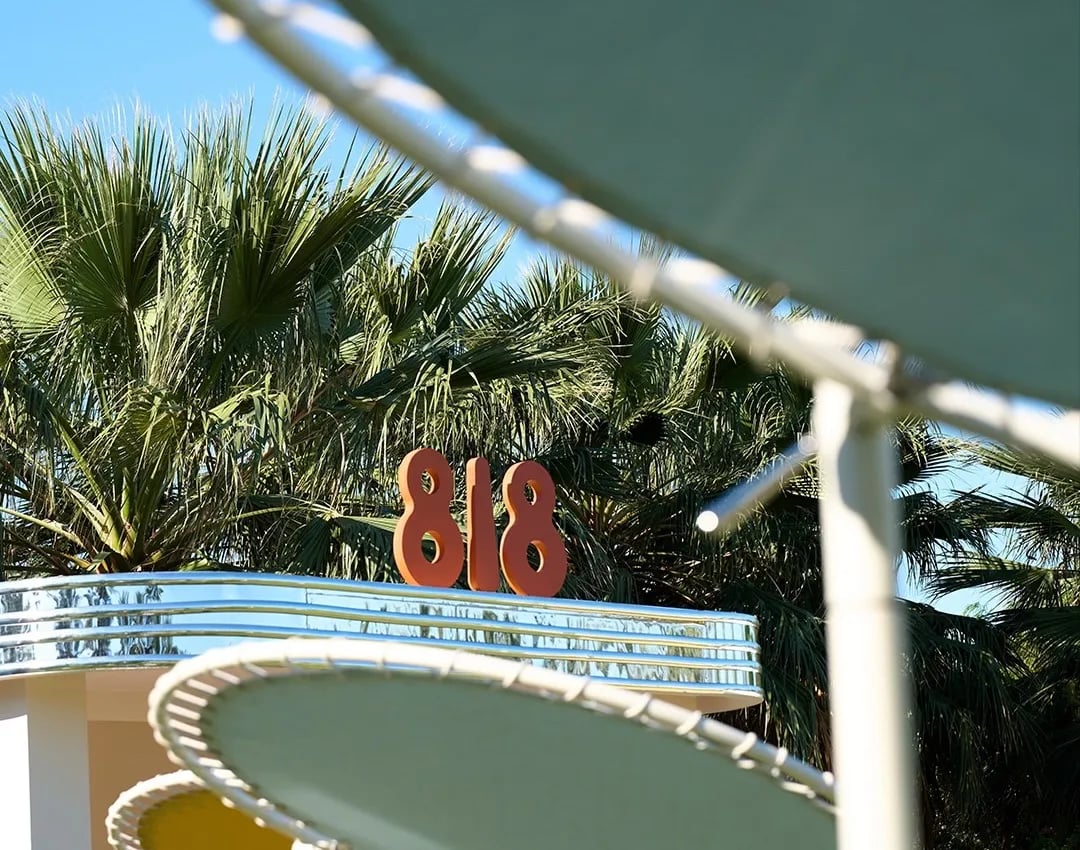
Festival activations have long moved past the singular branded tent era. The most successful experiential activations now function as curated ecosystems, where one anchor brand orchestrates a full lifestyle world by bringing in strategic brand partners that amplify the core narrative.
This isn’t new. We’ve seen it with American Express lounges stacked with premium lifestyle brands, Revolve Festival operating as a rotating sponsor showcase, and countless pop-ups where collaboration is the strategy. But 818’s Outpost at Coachella 2026 offers a particularly sharp example of how who you activate with can be as strategic as how you activate.
The question isn’t whether multi-brand activations work, it’s whether the curation is intentional enough to feel like a world, not a trade show floor.
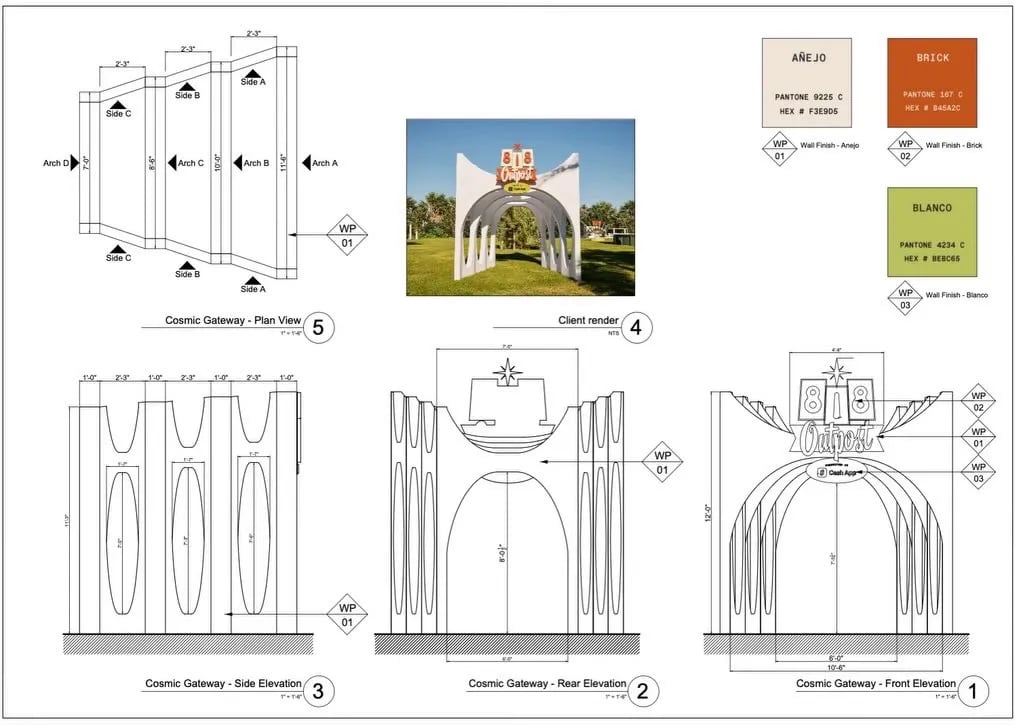
What 818 Built
The 818 Outpost returned to Coachella with a sponsor lineup that spanned beauty, wellness, food and beverage, fintech, and lifestyle brands:
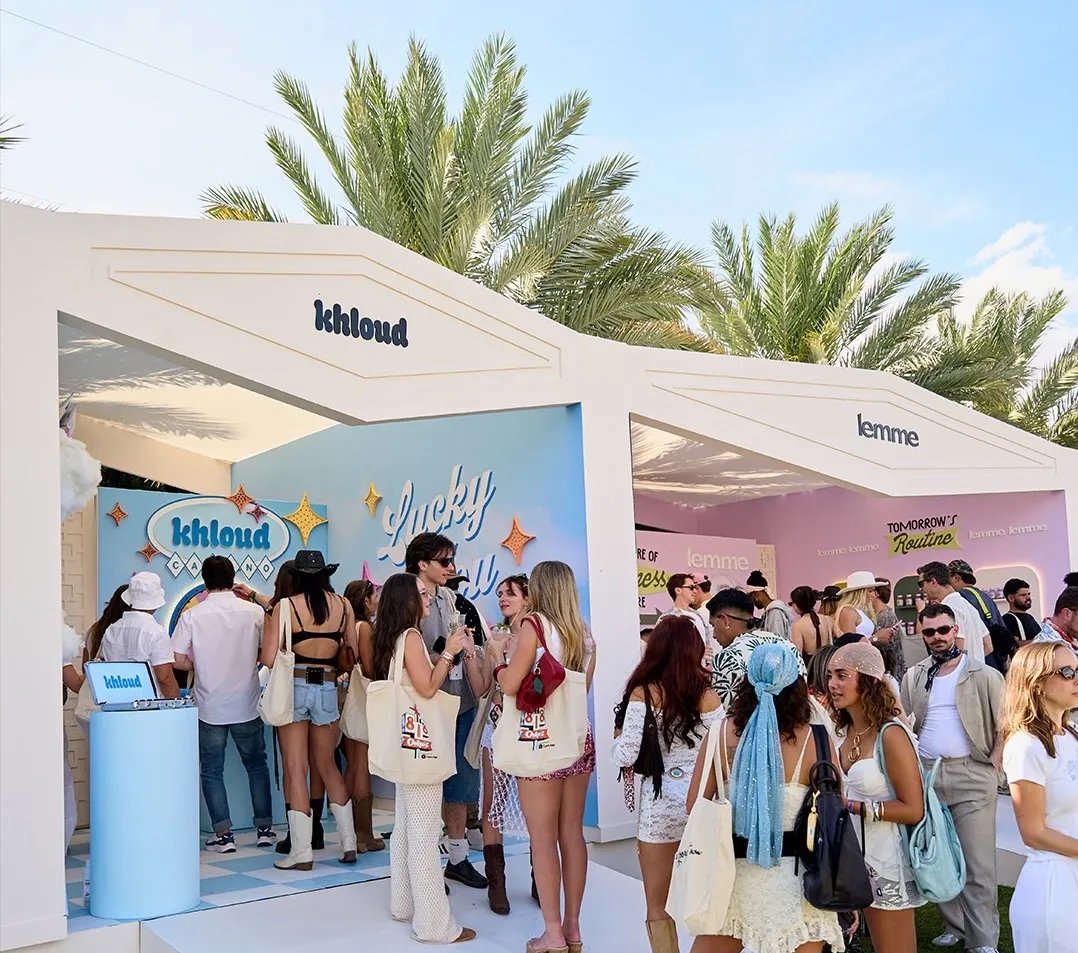
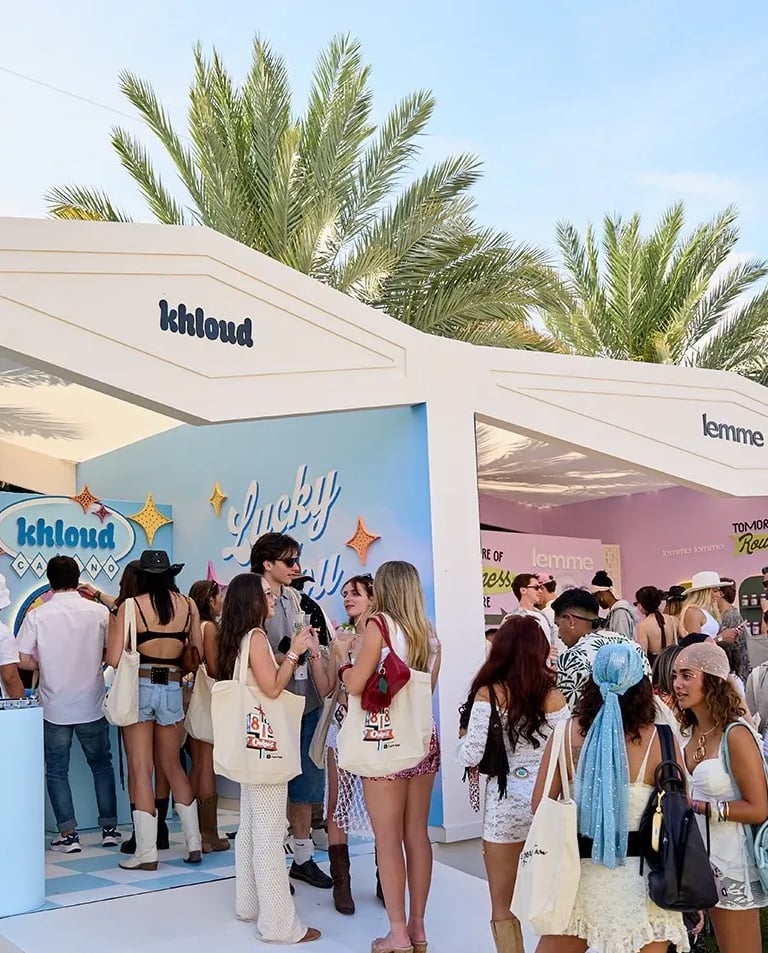
rhode, Lemme, Sprinter, Urban Decay, Cash App, Postmates, Snapchat, La Croix, Blank Street, Path Water, Hydro Jug, Good Girl Snacks, Youth to the People, Loops, Tangle Teezer, Mane, Ana Blue, Puesto, Delilah, Fat Tuesdays, Khloud Foods, Fruit Riot, Salt and Stone, Heavy Handed, Homestate, Simplehuman, Hwood Group, Crazy Mountain, Update, and TYB.
At first glance, it reads like a long list. But if you look closer, the curation logic becomes clear: these aren’t random sponsors filling available real estate. They’re brands that share the same audience psychographics and reinforce a unified Gen Z consumer identity centered on wellness, convenience, aesthetics, and accessibility.
The Strategic Logic: Brand Adjacency as Cultural Credibility
When rhode, Sprinter, and Lemme occupy the same activation footprint as Cash App, Snapchat, and Postmates, they’re not just co-sponsors, they’re co-signers of a lifestyle value system.
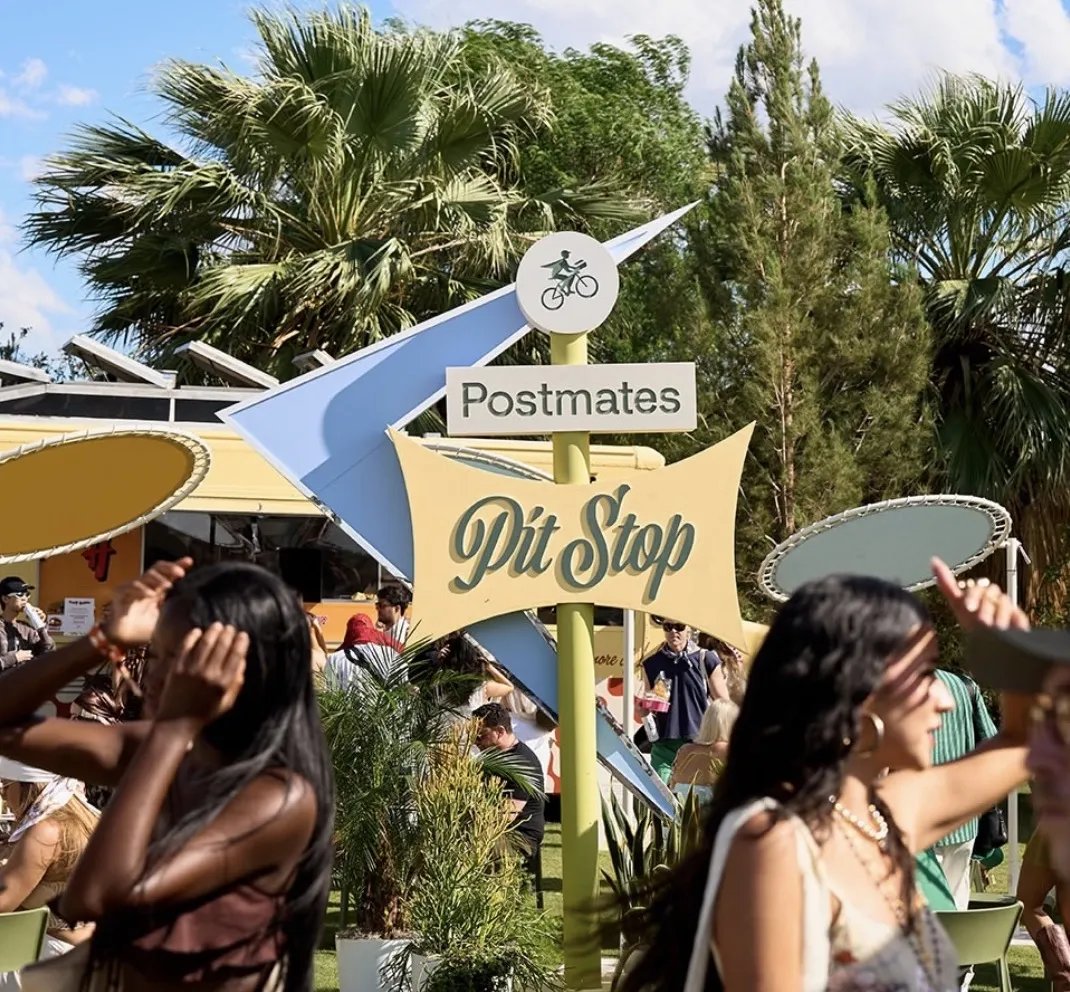
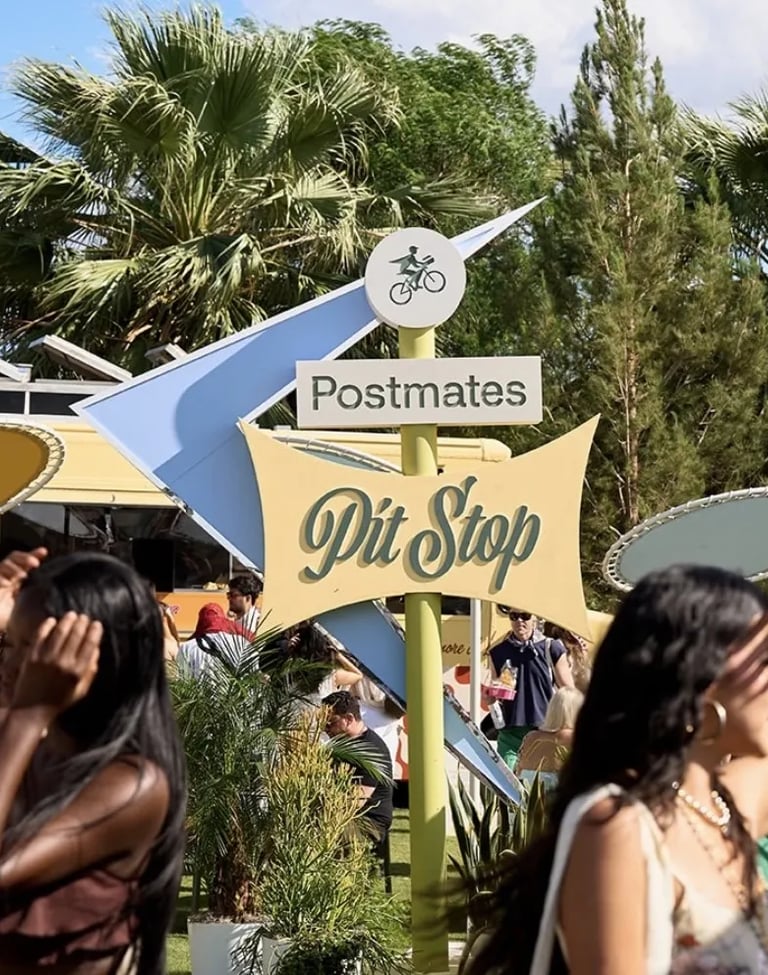
This is where brand adjacency becomes a strategic asset. In traditional sponsorship models, brands compete for visibility within the same space. In ecosystem activations, they amplify each other. rhode’s presence elevates the beauty and wellness credibility of the environment. Cash App signals financial accessibility and digital fluency. Postmates and Blank Street reinforce convenience. Sprinter and La Croix anchor the hydration and refreshment narrative.
The result is a cohesive consumer universe where every brand touchpoint doesn’t just coexist, it validates the others.
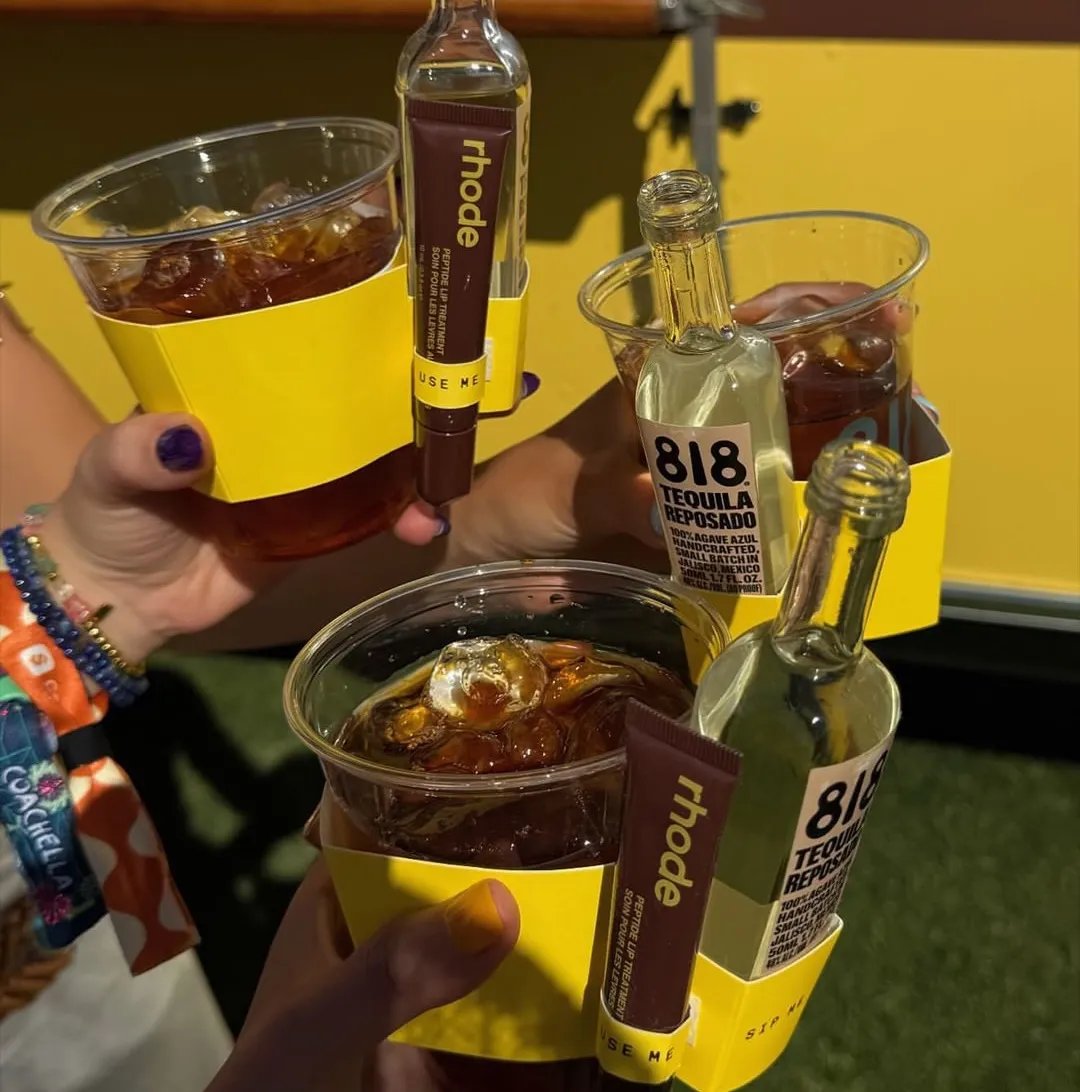
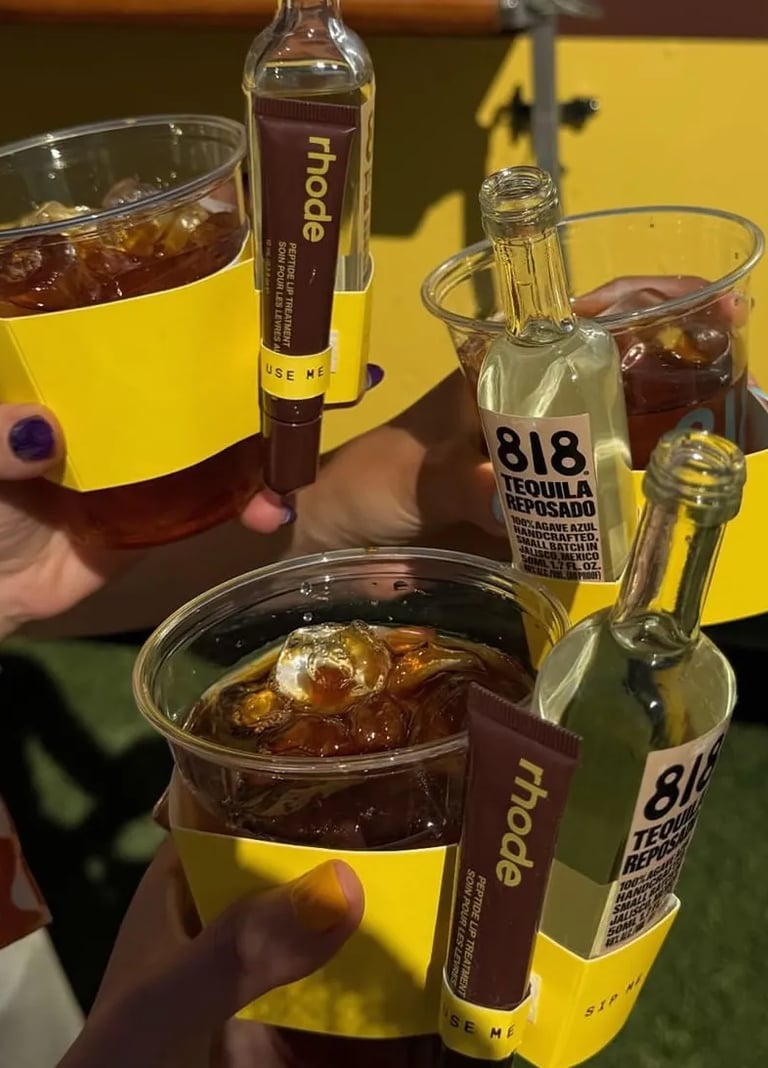
Take Rhode as an example. Placing the brand inside the 818 Outpost, alongside Lemme and Kylie Cosmetics, creates an implicit endorsement loop. These aren’t competing beauty brands fighting for attention; they’re complementary players in the same wellness-forward, celebrity-founded, Gen Z-aligned beauty ecosystem. The consumer walking through the space isn’t choosing between them, they’re experiencing a lifestyle where all of these brands naturally belong.
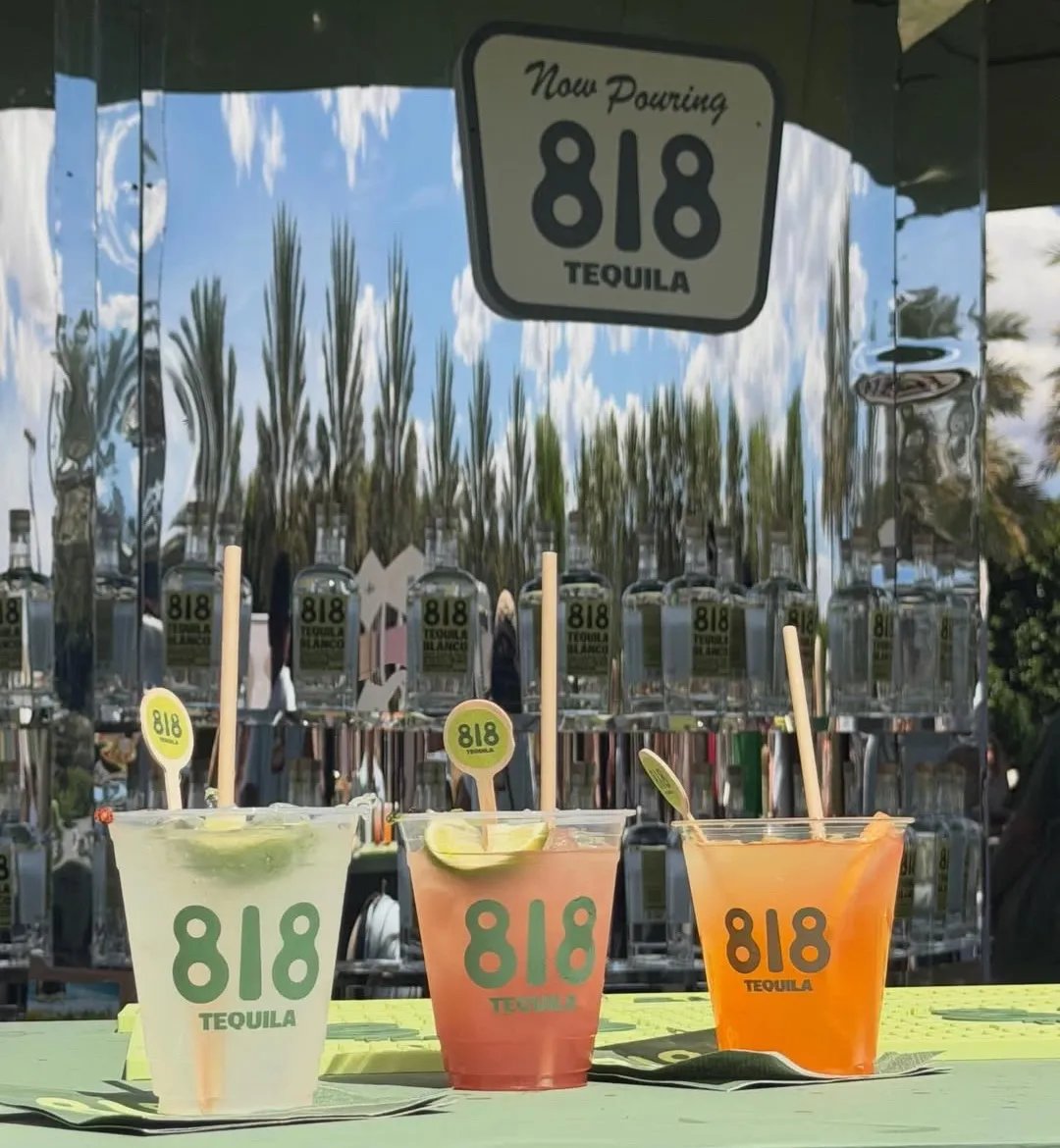
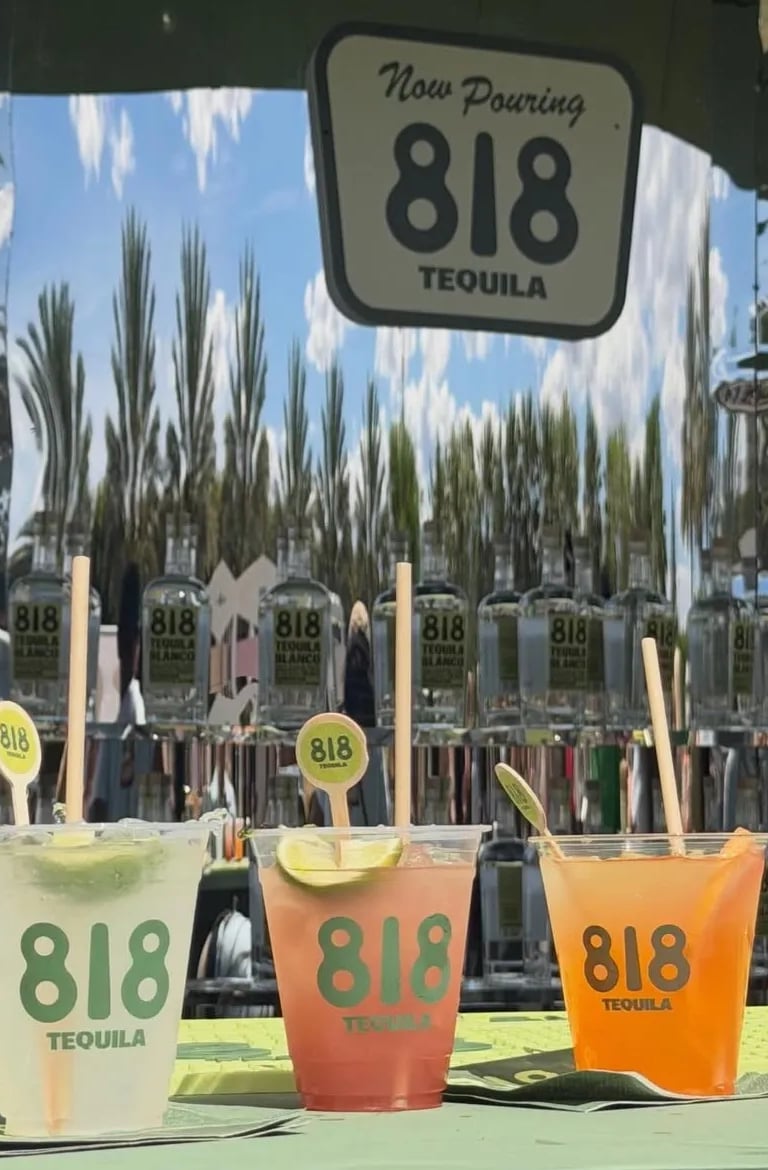
The same applies to the food and beverage curation. Blank Street, Puesto, Delilah, and Good Girl Snacks were chosen because they represent elevated accessibility, premium enough to feel curated, approachable enough to feel inclusive. This mirrors 818’s own brand positioning: a celebrity tequila that doesn’t lean into exclusivity, but rather aspiration within reach.
Psychographics Over Demographics
The genius of 818’s curation is that it prioritizes psychographic alignment over category dominance or budget size.
Demographically, Coachella’s audience is broad: Gen Z and millennials, influencers and industry insiders, locals and travelers. But psychographically, the 818 Outpost was designed for a specific consumer: wellness-conscious, aesthetically driven, digitally fluent, and brand-loyal to founder-led companies that align with their values.
This is why the sponsor mix works. Urban Decay and Kylie Cosmetics serve different beauty consumers on paper, but inside the Outpost, they serve the same moment, a festival-goer who wants to refresh their look, discover new products, and engage with brands in a low-pressure, high-aesthetic environment.
Cash App’s presence is equally strategic. It’s not a random fintech insert, it’s a brand that lives where this audience already operates: “Venmo-ing” friends, tipping creators, managing money through apps, not banks. Placing it inside a wellness and lifestyle activation signals that financial tools can be part of the aspirational, design-forward world Gen Z is building.
Ecosystem Curation as Competitive Advantage
In experiential marketing, the brands that win aren’t always the ones with the biggest footprint. They’re the ones that understand how to build a world.
818’s Outpost didn’t need to be the loudest activation at Coachella. It needed to be the most cohesive. By curating a sponsor lineup that functions as a lifestyle constellation rather than a sponsorship roster, 818 turned its activation into a destination that felt intentional, not transactional.
This is the shift: festival activations are no longer just about securing real estate and filling it with branded experiences. They’re about designing ecosystems where every brand presence reinforces a singular narrative. The strongest activations now operate like curated retail environments, where product adjacency, spatial design, and brand mix create a unified story.
The takeaway for marketers is clear: in multi-brand activations, curation is strategy. The brands you bring into your world are as important as the world you build. If the mix feels random, the experience will feel scattered. If the mix feels intentional, the experience becomes a signal of cultural fluency.
What This Means for Experiential Marketing
818’s Outpost is a case study in how brand ecosystem design can turn sponsorship into storytelling.
For brands looking to build festival activations, pop-ups, or experiential moments with multiple partners, the lesson is this: choose collaborators that amplify your narrative, not dilute it. Prioritize psychographic alignment over budget size. Design for cohesion, not competition.
Because in experiential marketing, who you activate with is as important as how you activate. And 818 just proved that strategic curation is a competitive advantage.