
At Coachella, Branded Environments Became The Strategy
How brands turned the desert into $1.7 billion in earned media value by creating worlds, not just activations.
Weeks after Coachella 2026, one thing is clear: branded environments won.
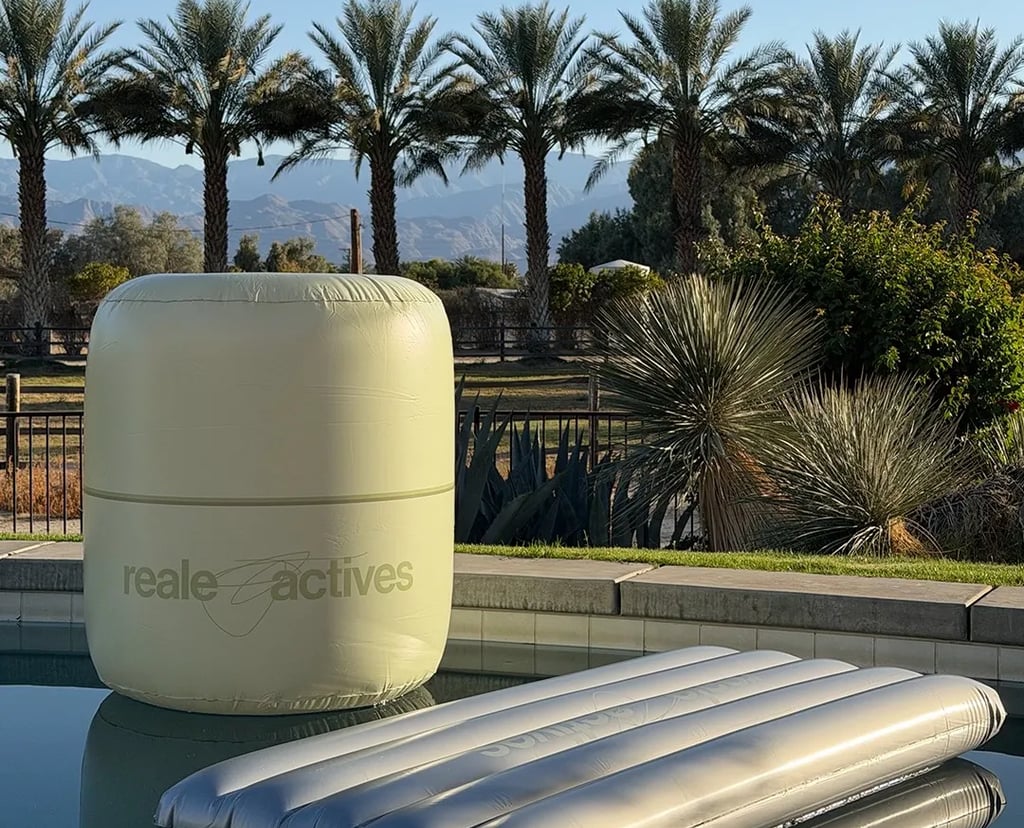
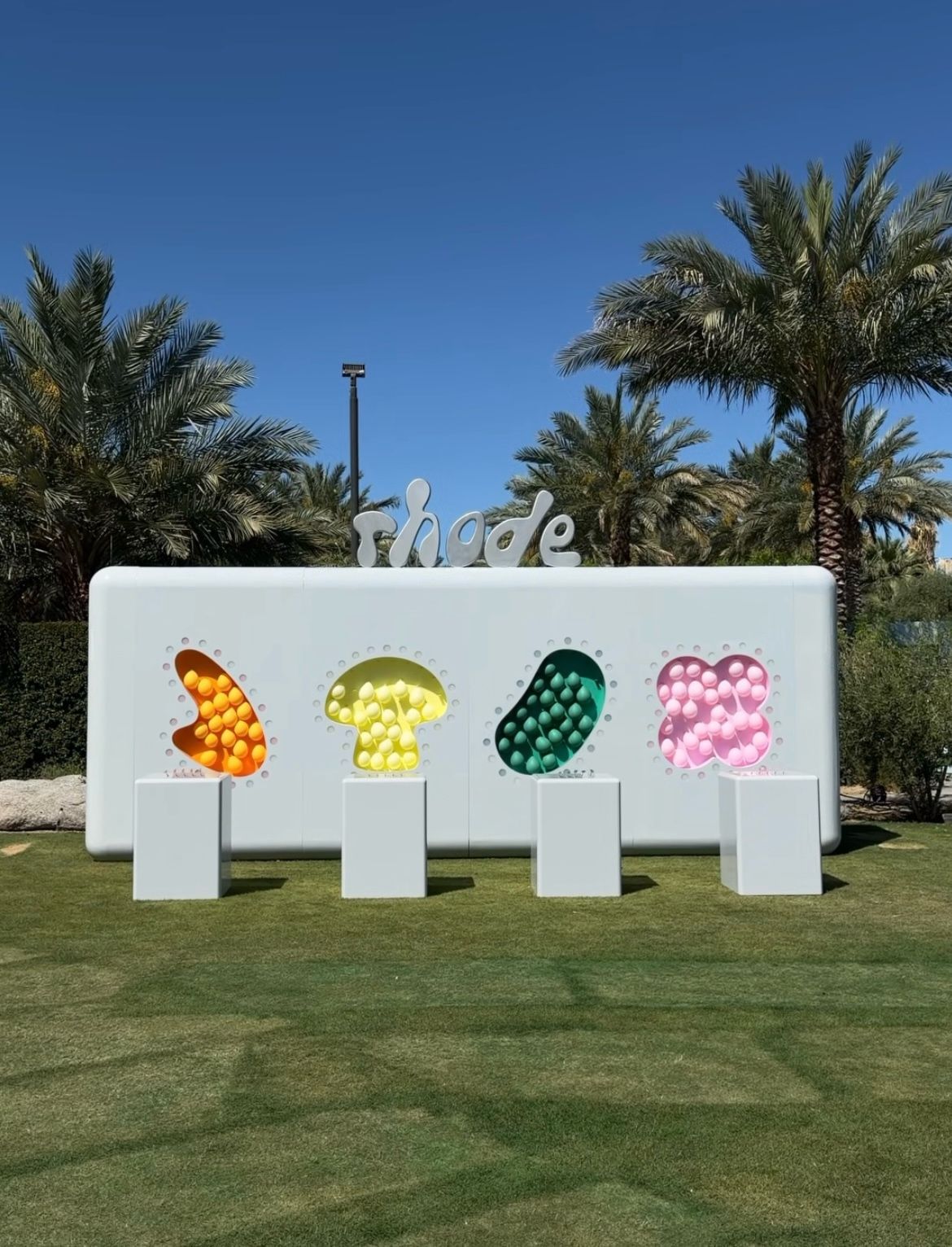
Not the loudest activations. Not the biggest budgets. The brands that dominated were the ones that created worlds their audiences actually wanted to live in. Reale Actives’ pool floaties floating in a desert mansion. Rhode World’s pop-the-balloon sampling game. Poppi’s friend-group houses stocked with merch and good vibes. These weren’t just activations: they were immersive brand environments designed to be lived in, not just visited.
And the numbers prove it worked.
The Macro Impact: $1.7B in Earned Media Value
Coachella 2026 generated $1.7 billion in earned media value, a 69% increase from 2025 (WeArisma). Weekend 1 alone drove $870 million in Media Impact Value(Launchmetrics). Across both weekends, creators produced 30,000 pieces of contentand 3.3 billion engagements, roughly 110,000 engagements per piece of content.
But here’s what matters: the highest-performing content didn’t come from traditional campaigns or festival sponsorships. It came from branded environments, off-site houses, on-site pop-ups, and immersive brand worlds where creators lived, not just visited.
According to Meltwater’s analysis of the top 1,000 creators at Coachella, the top 3 posts alone generated $57.5 million in EMV: representing 60% of the total EMV from the top 10 posts. And nearly all of them came from branded environments
What Changed: From Activations to Environments
Coachella has always been a brand playground. But recently there has been a shift in how brands show up.
In the past, brands built activations you post about, photo ops, gifting suites, sponsored lounges. The strategy was simple: get influencers to tag the brand, post a thank-you story, and move on.
Now, brands built environments you live in, spaces so immersive and on-brand that the brand became woven into every piece of content creators made, whether they were posting about the activation or not.
When visibility is everywhere, it stops being valuable. The constraint isn’t who shows up at Coachella, it’s who gets turned into content. And the brands that won were the ones designed to show up naturally in the background of creators’ lives for an entire weekend.
What worked: signature moments, interactive design, and worlds worth living in
1. Signature visual markers
Reale Actives didn’t just sponsor a house, they created Casa Reale, complete with branded pool floaties shaped like their products and a bouncy castle in the backyard. These weren’t subtle touches. They were instantly recognizable visual markers that showed up in every pool shot, every candid photo, every background moment.
The result? Even when creators weren’t posting about Reale, the brand was visible. The pool floaties did the work without requiring a caption or a tag.
The lesson: Signature visual markers make your brand recognizable even when it’s not the subject of the post. If your branding can’t be identified in a background shot, it’s not strong enough.
2. Interactive, camera-ready activations
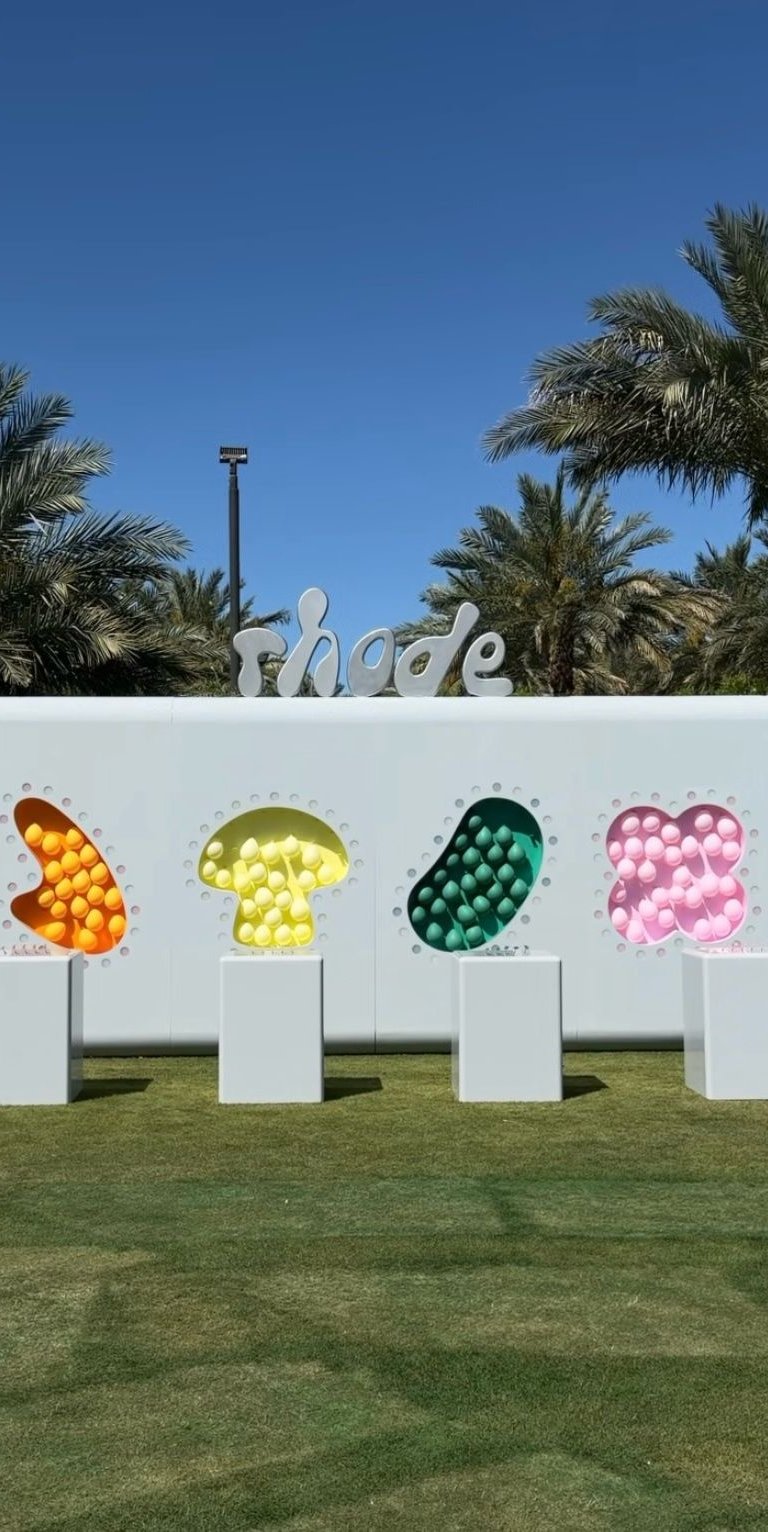
Rhode World, turned product sampling into content. The centerpiece was a pop-the-balloon dart game where festival-goers popped balloons to win Rhode products, including the brand’s viral Glazing Milk and new pimple patches.
But here’s the key: the game wasn’t just fun to play. It was designed to be filmed. Creators recorded themselves playing, unboxing their prizes, and testing products on-site. The activation became a content engine, not just an experiential moment.
Rhode generated $7.9 million in EMV from a single creator posting one TikTok from the activation, with a near-70% engagement rate, the highest of any post in Meltwater’s top 10 analysis.
The lesson: Design for both. If people aren't having fun, they won't post. If the space isn't camera-ready, the content won't capture the brand.
3. Environments built for living, not visiting
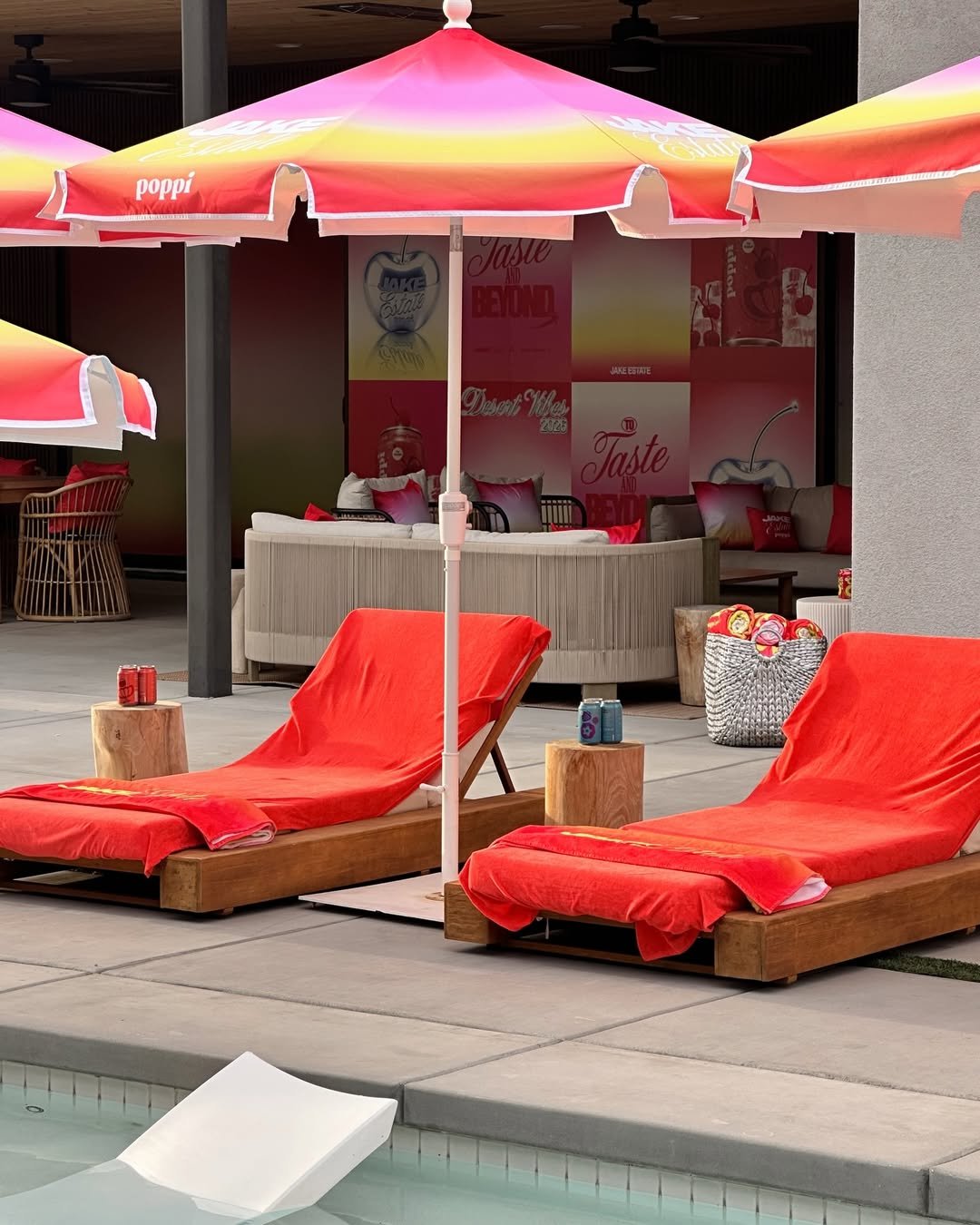
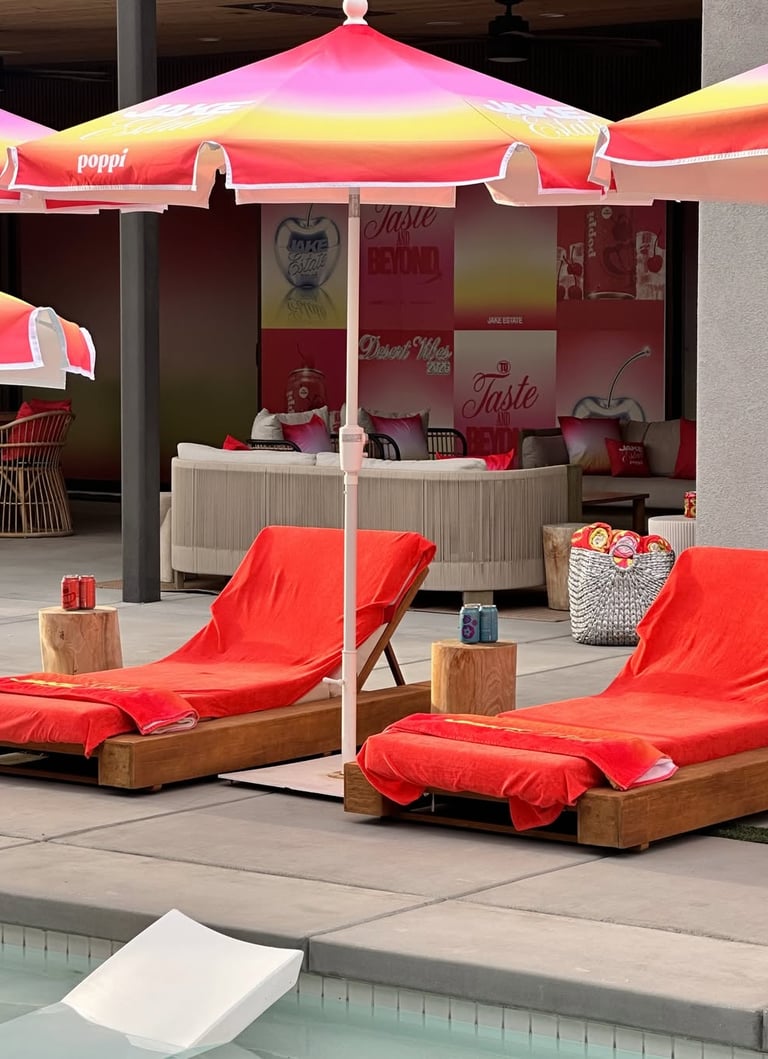
Poppi took the brand house model and refined it. Instead of one house, they hosted two: the Jake Estate (for creator Jake Shane and his friends) and the Mick Mansion (for Micky Gordon’s crew).
The strategy wasn’t to invite random influencers. It was to invite actual friend groups, people who already hang out, already create content together, and already have chemistry on camera. The result? Content that felt like friends hanging out, with Poppi as the backdrop. No forced thank-you posts. No transactional energy. Just organic moments in a branded world.
Poppi has been refining this playbook since 2024, when their Alix Earle house drove a reported 200% sales boost. In 2026, they doubled down, and it worked.
The lesson: Friend-group casting beats influencer grab bags. Chemistry matters more than follower count.
What didn’t work: logo slaps and one-off partnerships
Not every brand got it right.
Generic Airbnb aesthetics with branded wall decals blended together. When the only branding is a logo slapped on a rented villa and fun products scattered around the house, there’s no signature moment to remember. No visual marker. No recall.
One-off influencer partnerships fell flat. Brands that invited creators they’d never worked with before felt transactional, and the content showed it. When a creator who’s never mentioned your brand suddenly shows up at your house singing your praises, audiences can tell.
The strategic takeaway: design environments, not activations
At Coachella, activation is expected. But impact comes from how usable the space is for content.
Brands don’t win by being seen. They win by becoming part of what people naturally film. Not louder visibility, just better environments.
The question for marketers: Are you designing activations people post about, or environments people live in?
If your brand environment can’t be recognized in a mirror selfie, a pool shot, or a GRWM, you’re not building a world, you’re building a booth.
And in 2026, booths didn’t win. Worlds did.
Sources:
WeArisma: Coachella 2026 Earned Media Value Report
Launchmetrics: Coachella 2026 Media Impact Value Analysis
Meltwater: Top Branded Influencer Posts of Coachella 2026
Aspire.io: Coachella 2026 Influencer Activations That Felt Authentic
SolComms: State of Brand 2026 Report