The Maebe Village Was Never Really About Shopping
How Molly-Mae turned a one-day pop-up into a brand-building masterclass, and why every DTC founder should be paying attention.
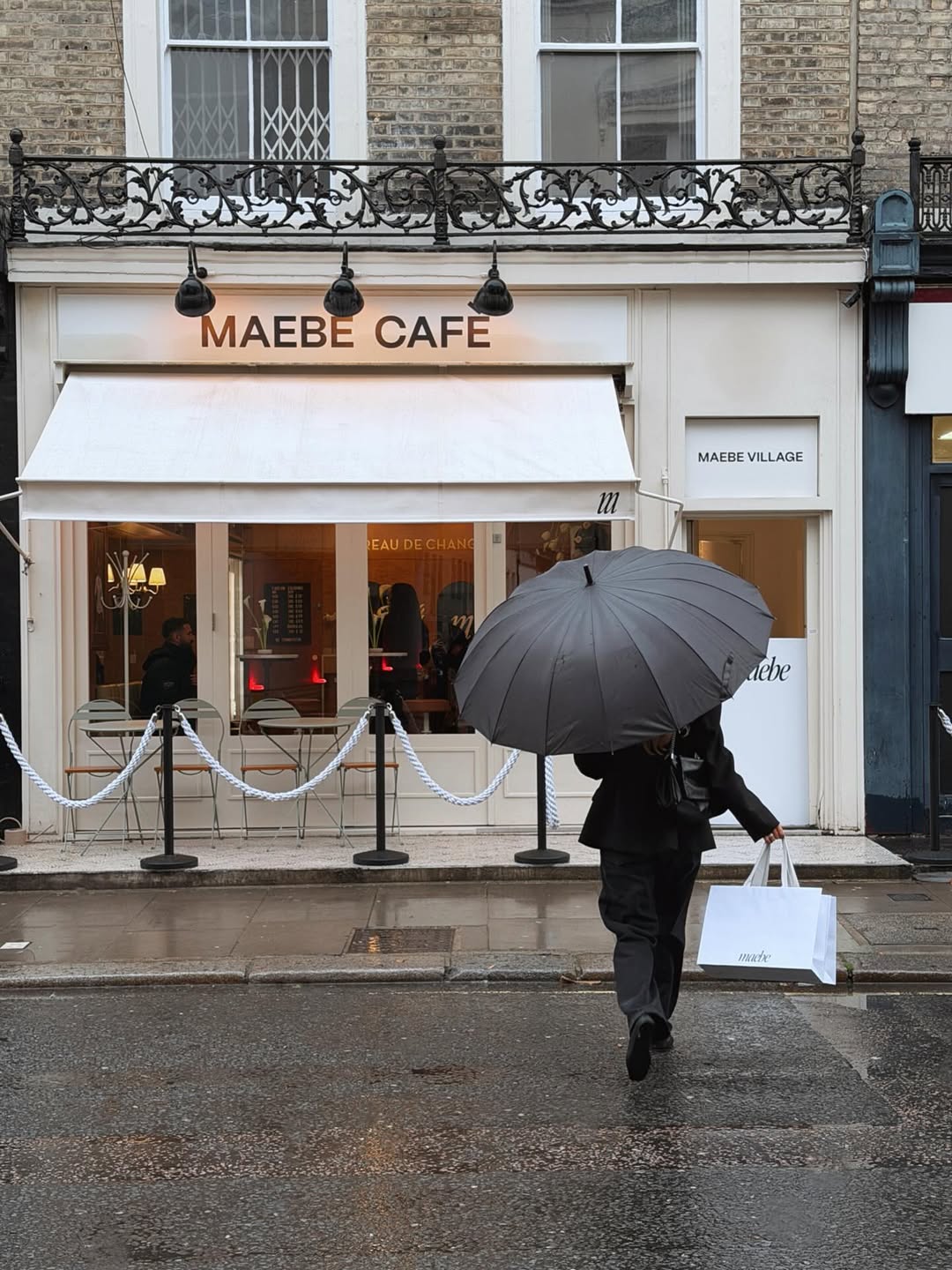
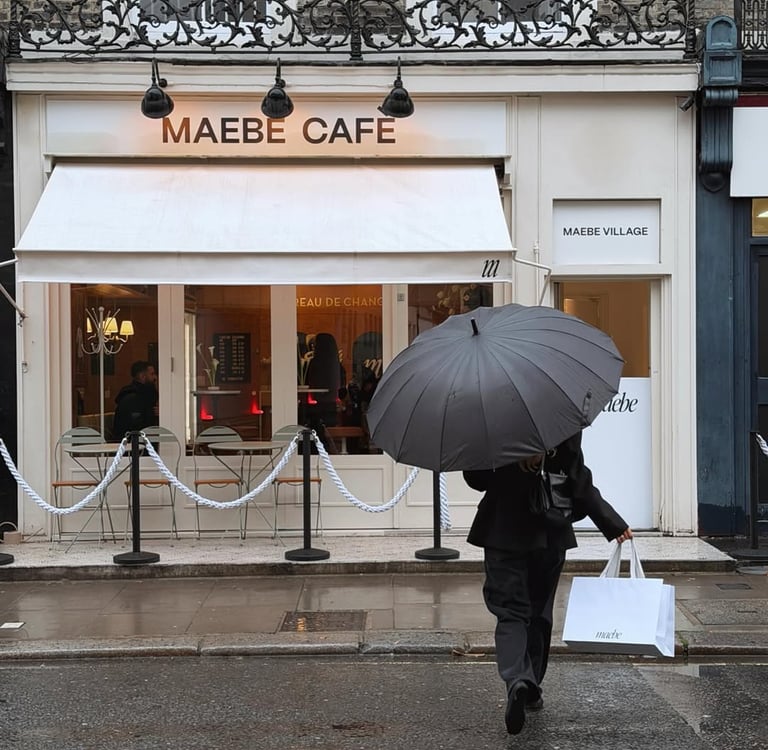
On Saturday, March 7th, Molly-Mae did something that most DTC fashion brands spend years trying to manufacture: she made people want to show up.
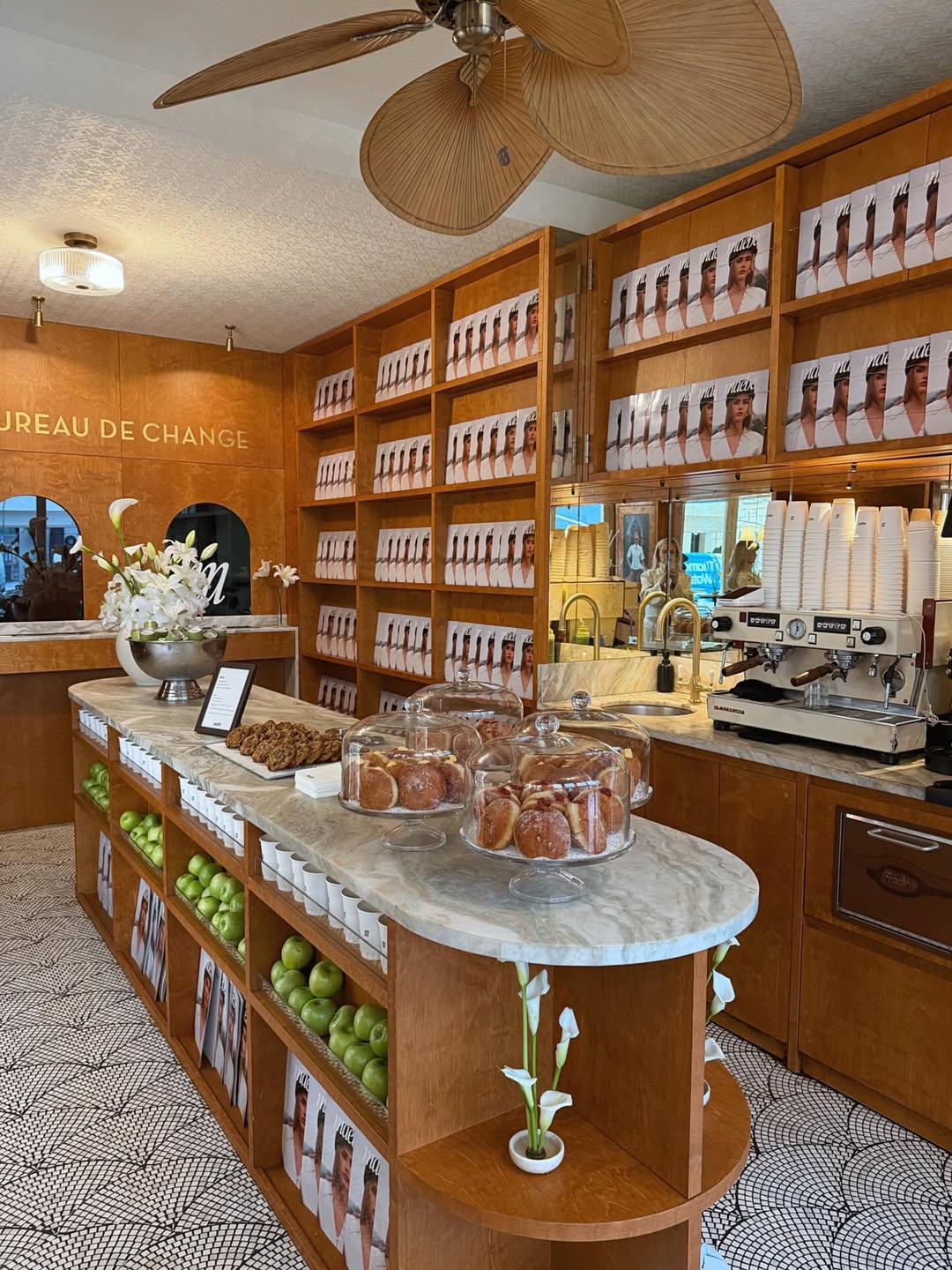
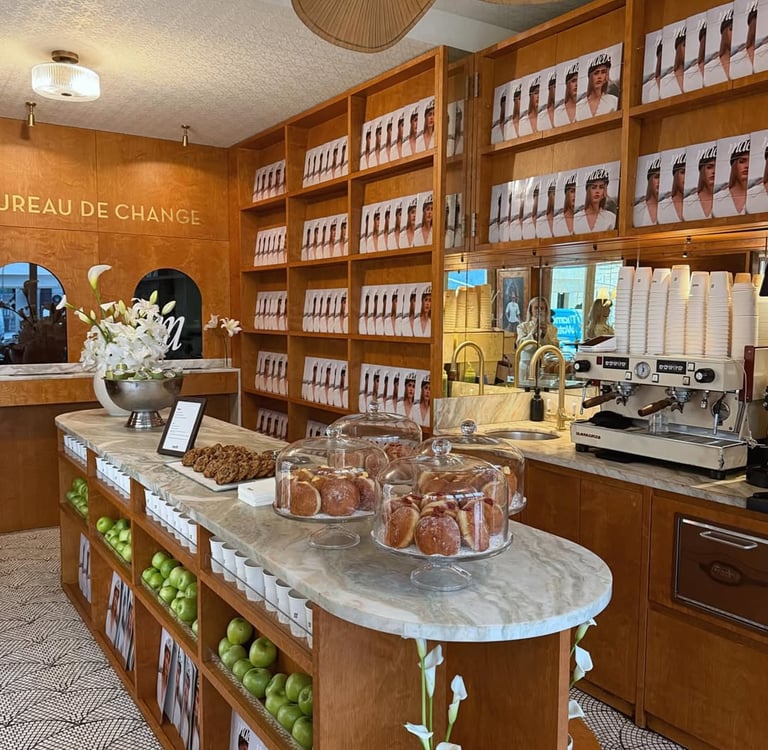
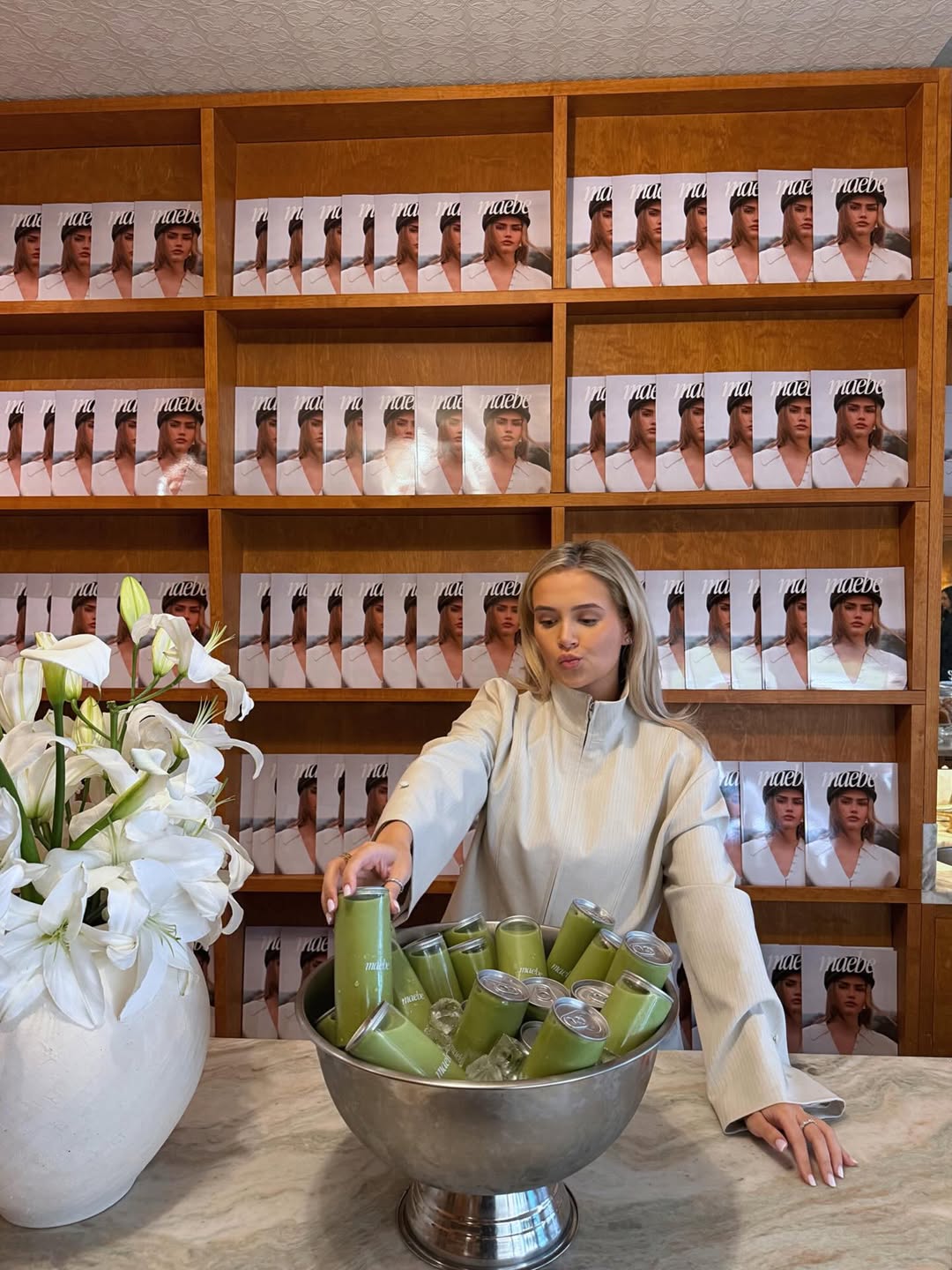
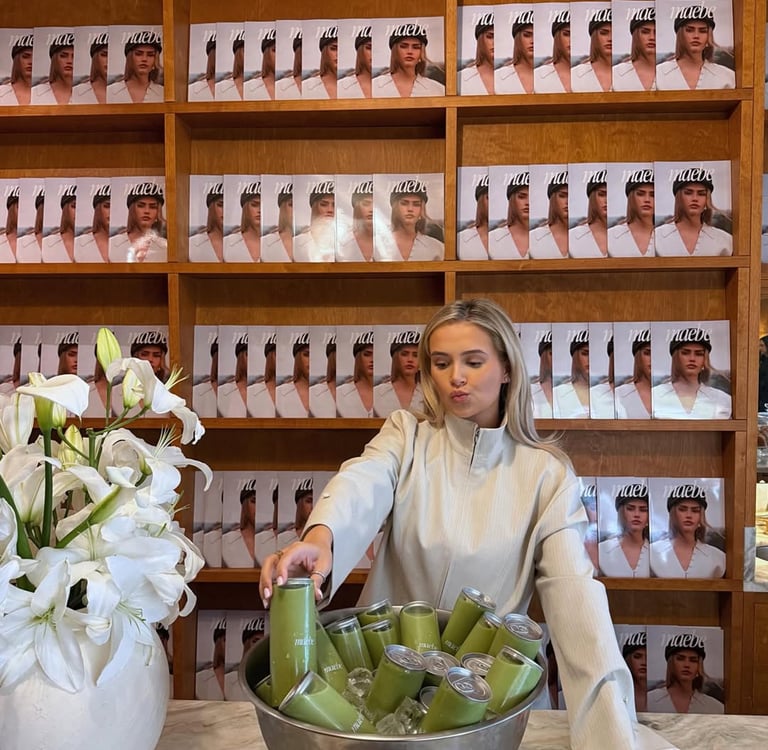
The Maebe Village, Maebe’s first ever shoppable pop-up, ran for one day only in London. There was a café, food, wine, and an immersive shopping environment built around the brand’s world. It was timed, deliberately, to land the day before International Women’s Day. And by all accounts, it worked.
But here’s the thing: the event wasn’t really about selling clothes. It was about proof.
What Actually Happened
Maebe launched in September 2024. It is a self-funded, online-only contemporary womenswear brand positioned as “accessible luxury”, blazers, co-ords and staple pieces priced between £35 and £140. Molly-Mae built an audience of millions across Love Island, PrettyLittleThing and her personal platforms before exiting the influencer-brand machine entirely to build something of her own.
The brand has no permanent physical retail presence. Everything lives online. Which makes every physical touchpoint disproportionately significant.
The Maebe Village was the brand’s first shoppable pop-up, which let you actually buy. It was framed not as a sale but as a celebration: an immersive experience of shopping, coffee, food and wine, “celebrating the women who shape Maebe.”
The Strategic Thinking Behind It
1. Physical retail as proof of community.
For a brand that lives almost entirely online, a pop-up isn’t a sales channel, it’s a statement. The Maebe Village made something real that previously only existed on a screen. People showed up, in person, to be part of it. That is a fundamentally different relationship to a brand than clicking “add to cart” at 11pm on your phone.
The UGC coming out of a well-executed physical activation reflects genuine excitement. People take snaps of things they’re proud to have experienced. That organic content carries social proof that no brand can manufacture, and it reaches audiences that paid campaigns simply don’t.
2. The IWD anchor was a narrative decision, not a PR add-on.
Tying the Maebe Village to International Women’s Day gave the activation a story spine that existed beyond “come see our new stock.” The brand framed it as a celebration of the women who build Maebe: staff, community, customers. That language matters. It reframes the consumer from buyer to participant. It also opens the event up to a wider media moment: this is not just a Maebe story, it’s a women in business story, a community story, a cultural story.
Smart brands don’t just do activations. They do activations with angles.
3. The shift from preview to purchase was deliberate.
Previous Maebe pop-ups were experiences; you could see, touch, feel the brand, but you couldn’t buy. The Maebe Village was the first time the community could actually transact in person. That sequencing matters. Maebe spent its first year building desire and brand familiarity through non-commercial physical touchpoints.
Most brands race to monetise every activation immediately. Maebe’s approach builds emotional investment first, commercial conversion second. By the time the Village opened its doors, the audience wasn’t browsing, they already wanted to buy. The purchase was just the closing of a loop that had been building for months.
The Bigger Picture: What Maebe Is Actually Building
Molly-Mae has been explicit about wanting to build a brand that can stand independently of her personal fame, “I want people to return to it because they love the clothes, not because it’s Molly-Mae’s brand.”
That is a genuinely difficult thing to do. The Olsen twins took years to separate The Row from their celebrity identity. Rhode is still navigating the Hailey Bieber attachment. SKIMS has made it work, arguably, by virtue of sheer scale and positioning precision.
Maebe is early. And the Village is one small but important move in the right direction, an activation that is about the brand, not about the founder. The aesthetic is the focus. The community is the story. Molly-Mae is present but not centred.
The TBR Takeaway
The Maebe Village is a lesson in what physical retail actually does for digital-native brands. It is not about sales per square foot. It is not even primarily about press coverage. It is about making something real that previously only existed on a screen.
One day. One city. Strong visual identity. A community narrative with a cultural hook. Zero permanent retail infrastructure required.
The formula: scarcity + intentional framing + cultural moment anchor = earned media, brand depth, and proof of community.
For DTC brands stuck in the perpetual scroll of paid social and email flows; the Maebe Village is a reminder that sometimes the most powerful thing you can do is just open a door, for one day, to the people who already believe in you.