
Our Favourite Coachella Brand Activations
rhode, Gap, and Pinterest stood out this year, each redefining a different layer of experiential marketing.
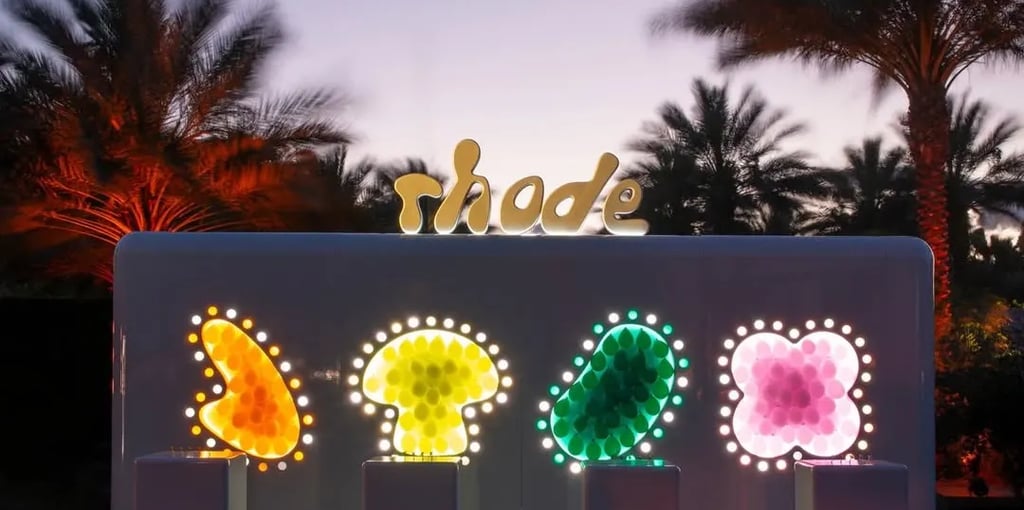
Coachella isn’t just a music festival anymore, it’s become one of the most competitive brand marketing arenas of the year. Every April, brands descend on the desert with pop-ups, immersive experiences, and Instagram bait, all fighting for attention in a sea of influencers, press, and Gen Z trendsetters. The stakes are high: get it right, and you earn cultural credibility. Get it wrong, and you’re just another forgettable branded tent.
This year, three activations stood out for doing more than chasing viral moments they had clear strategic intent, strong brand alignment, and real takeaways for marketers. Here’s what rhode, Gap, and Pinterest got right.
rhode world
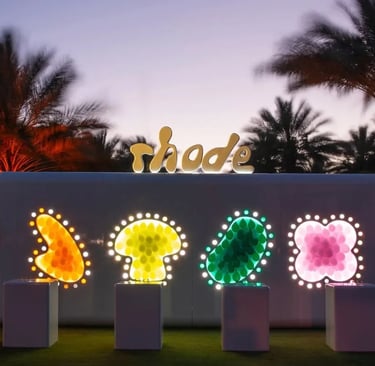
Hailey Bieber’s rhode made its Coachella debut this year with rhode world, and the activation felt like a masterclass in how digital-native beauty brands should approach experiential marketing. The space was unmistakably rhode: soft pastels, interactive booths, vanity mirror photo ops with signature bulb lighting, and branded beverages that doubled as both refreshment and content. It wasn’t trying to be anything other than exactly what the brand is online, just translated into three dimensions.
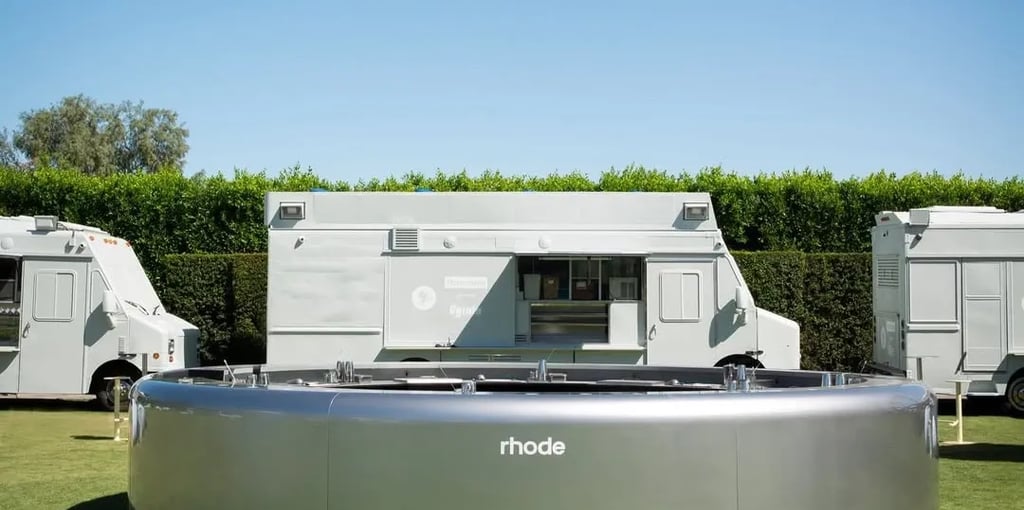
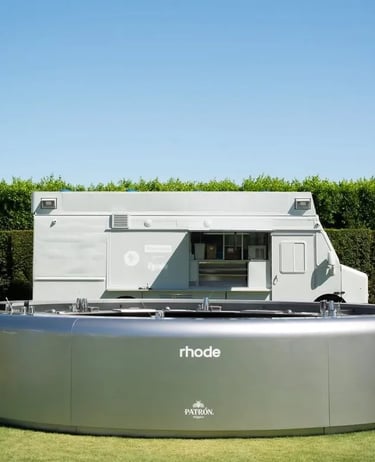
Why it worked: rhode’s Instagram aesthetic is its entire brand identity. The clean, minimal, slightly playful design language is what makes it feel different from every other celebrity beauty brand. rhode world didn’t try to reinvent that for IRL, it leaned in. The lighting, the color palette, the tactile elements, all of it was immediately recognizable as rhode, which is exactly the point. Consistency is currency in branding, and this activation proved you don’t need to abandon your visual identity to create an experience. You just need to build it at scale.
The strategic play: This was rhode’s first Coachella activation, which makes the execution even sharper. For a young brand, Coachella is a proving ground, it’s where you show you belong in the cultural conversation. rhode didn’t show up trying to do too much or be too clever. It just showed up as itself, in the most Instagrammable way possible. The result? A steady stream of influencer content, organic UGC, and a clear signal to the market that rhode isn’t just an online brand, it’s a lifestyle.
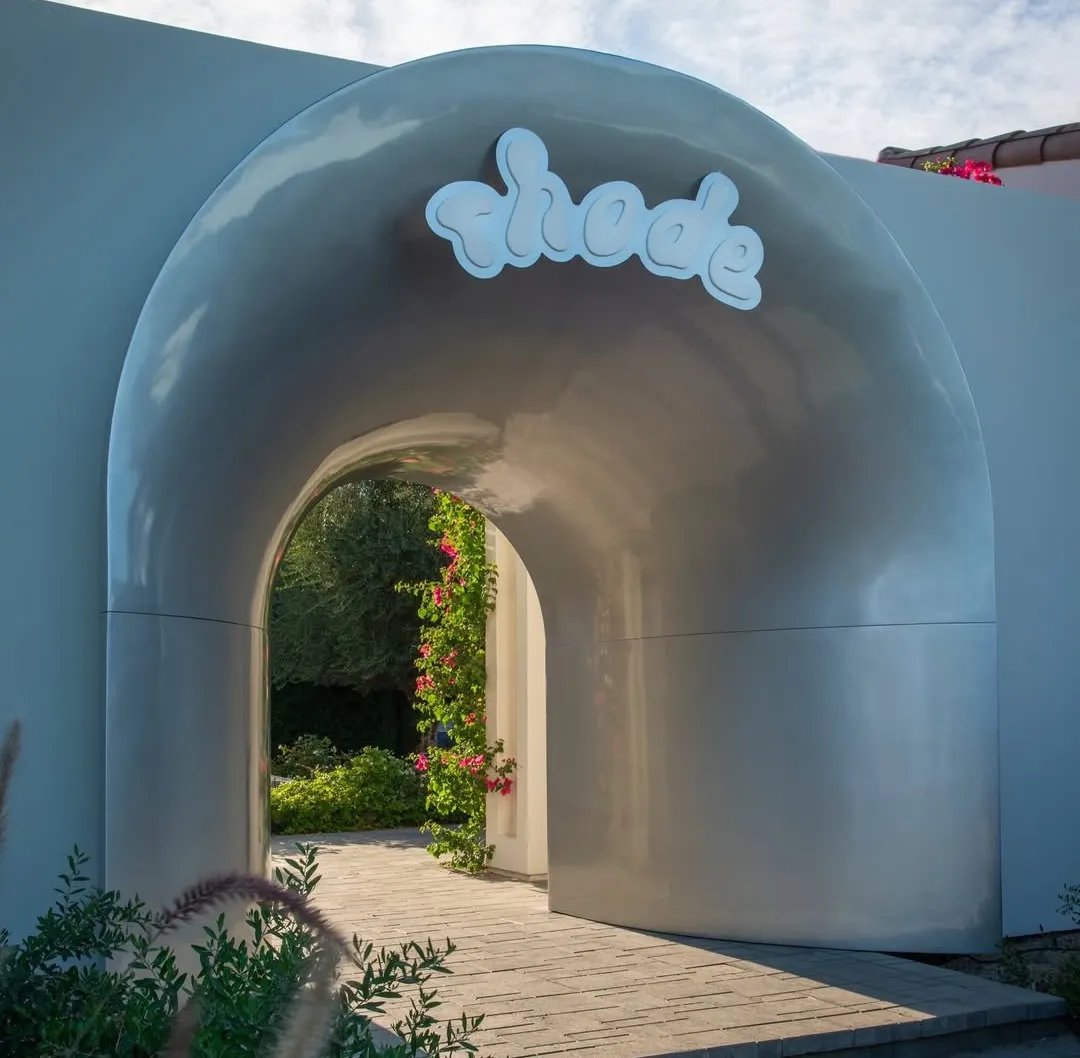
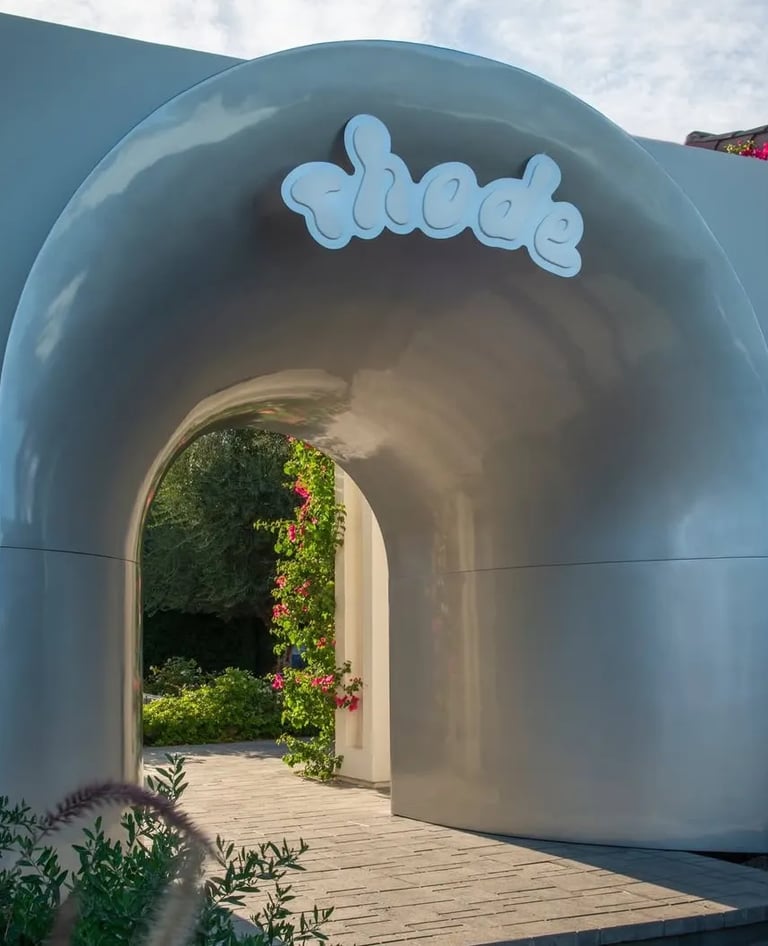
The takeaway: If your brand has a strong digital identity, your experiential marketing should amplify it, not complicate it. Physical activations aren’t an opportunity to rebrand for a weekend, they’re a chance to make your existing brand feel real.
Gap Hoodie House
Gap’s Hoodie House was one of the ‘simplest’ activations at Coachella, and one of the smartest. The brand built a bright blue structure in the desert and made it entirely about one product: the hoodie. Inside, festival-goers could customize hoodies, lounge in a space that felt like a nostalgic throwback, and engage with the product in a way that felt tangible, not transactional. No overcomplicated concept, no celebrity hosting requirement, just Gap reminding people that it makes a damn good hoodie.
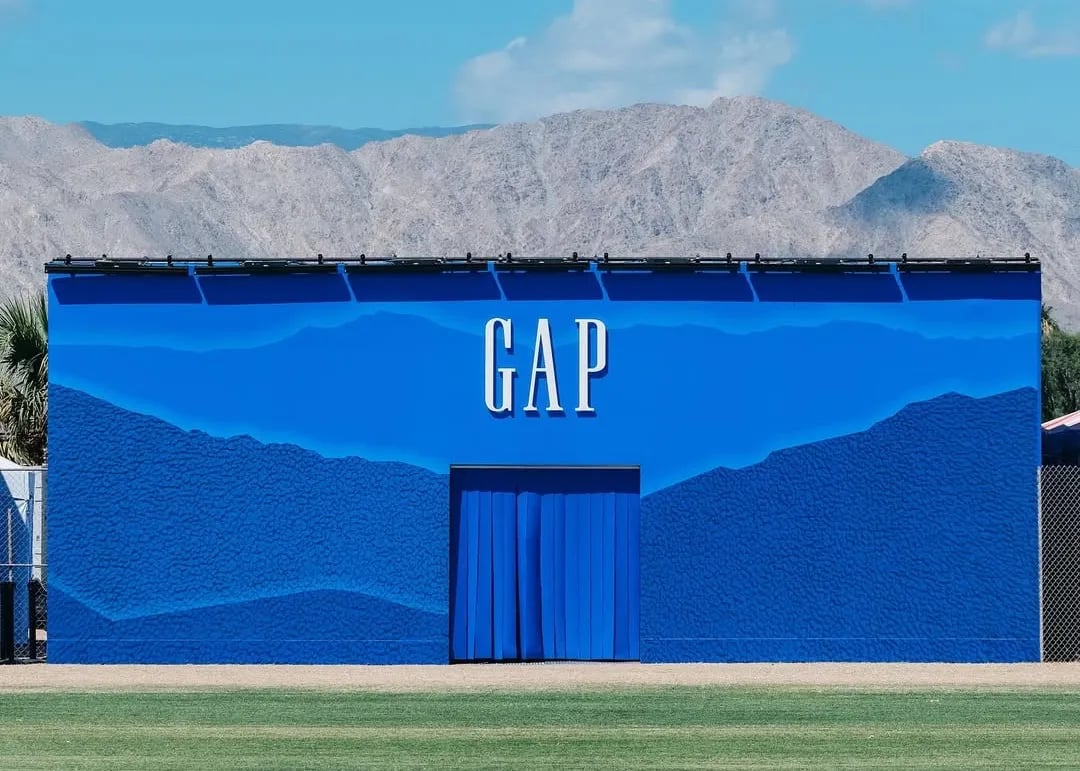
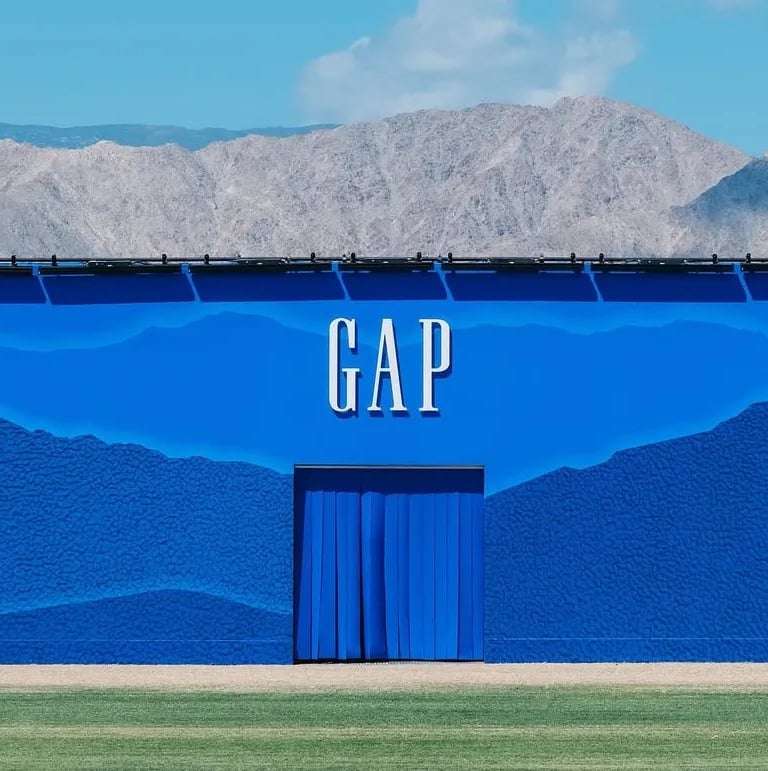
Why it worked: Gap is a heritage brand that’s spent the last decade struggling with relevance. It’s not fast fashion, it’s not luxury, and it’s not trying to be. But in trying to compete, it often diluted what made it iconic in the first place: accessible, well-made basics. Hoodie House was a part of its return to form. The activation didn’t try to be something it’s not, it was confident in the product itself. That confidence translated. In a festival environment where everyone’s chasing the next viral gimmick, Gap leaned into product-centricity and let the hoodie be the hero.
The blue structure itself was bold and unapologetic, it communicated presence without trying too hard. And the customization element gave people a reason to engage beyond just taking a photo, they left with something, which extends the brand experience past the festival gates.
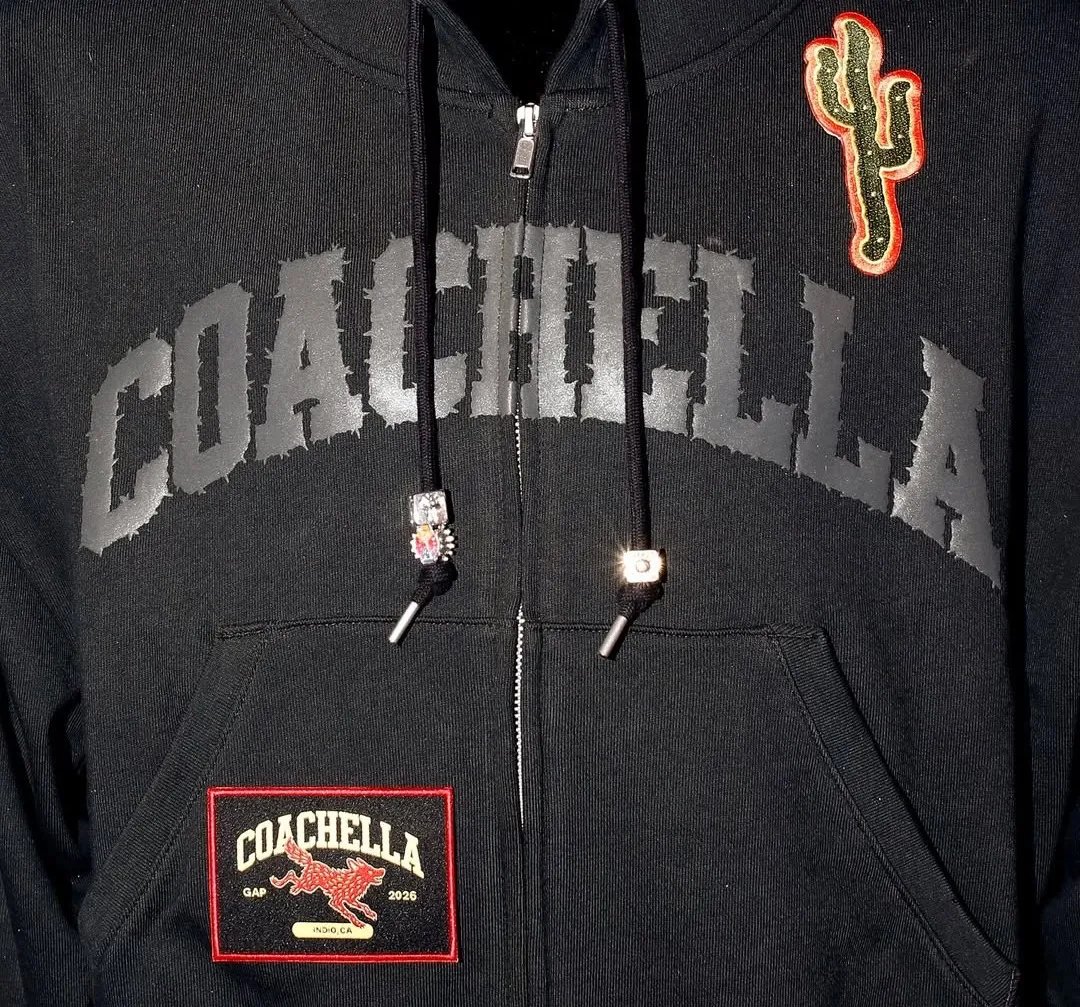
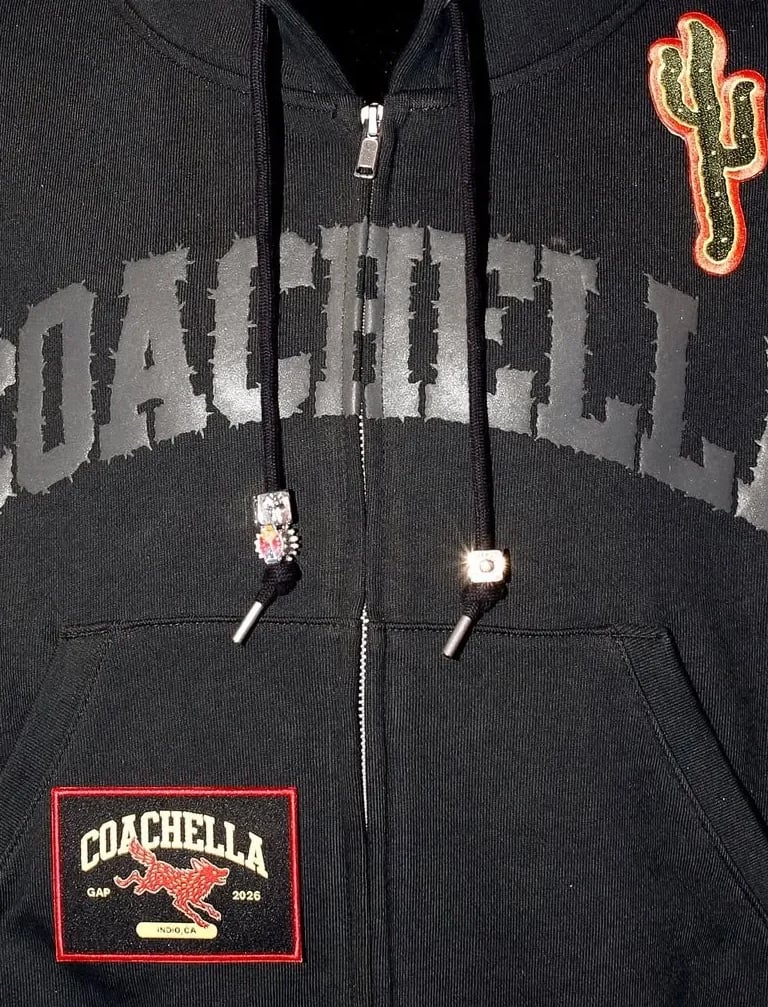
The strategic play: For heritage brands, Coachella is tricky. Show up too safe, and you’re irrelevant. Show up too desperate, and you lose credibility. Gap threaded that needle by making the activation feel like a brand reset, not a brand pivot. It wasn’t trying to be something it’s not, it was reminding people of what it’s always been. That clarity of purpose is what made it resonate.
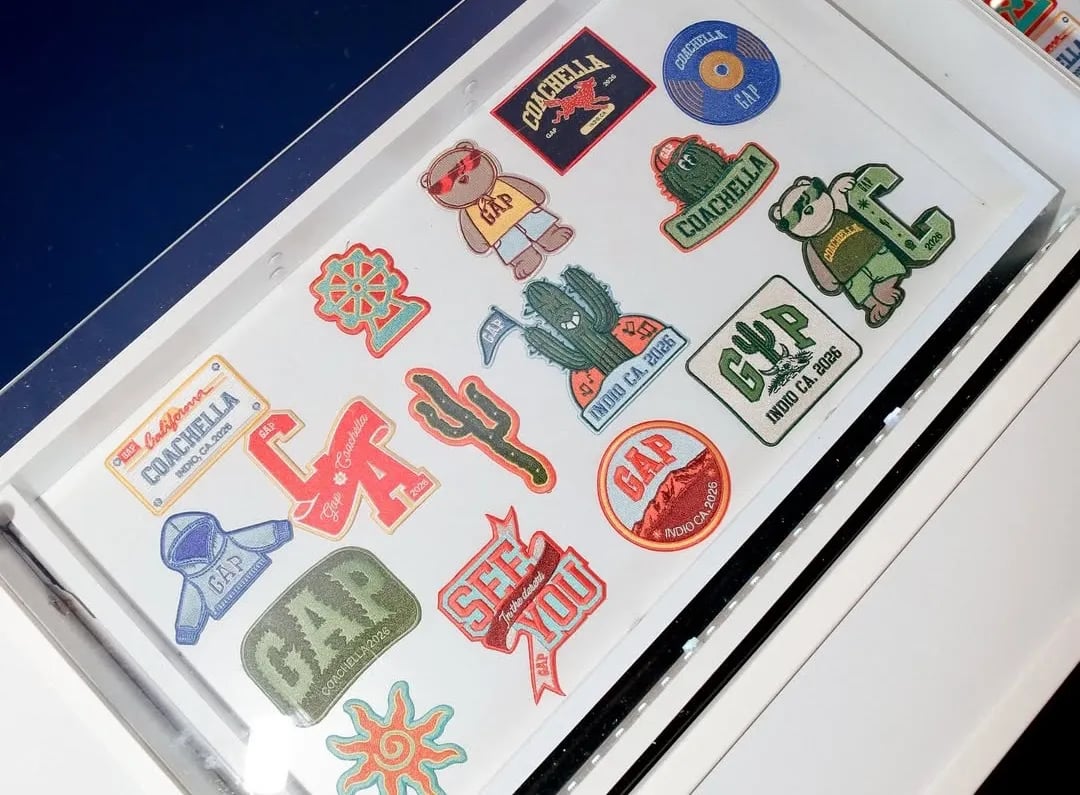
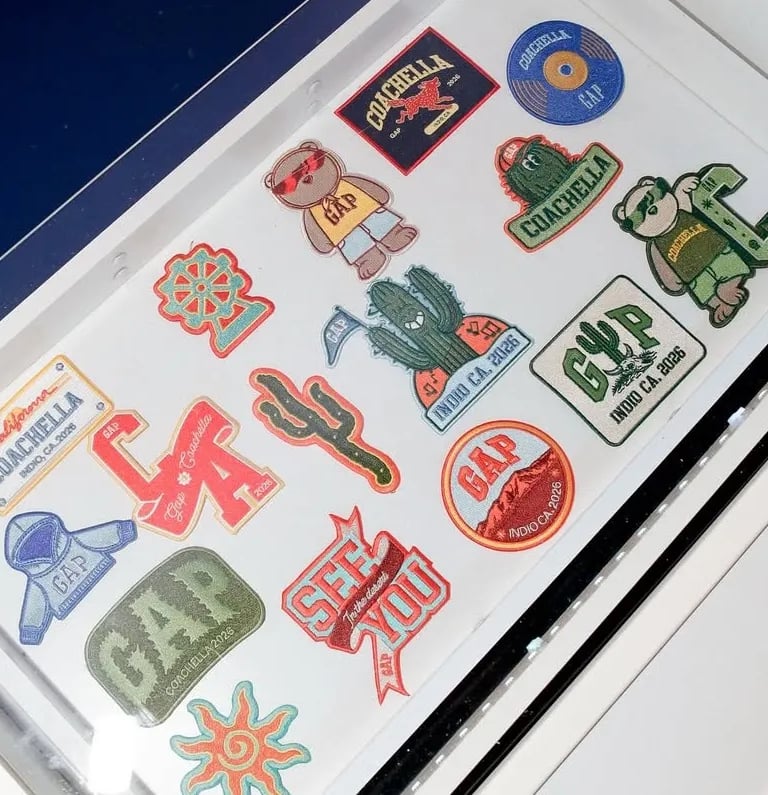
The takeaway: Product-centric activations work when the product actually has something to say. If you’re a heritage brand fighting for relevance, find the thing you do well, make it the center of the experience, and let that speak for itself.
Pinterest’s No-Phone Beauty Bar
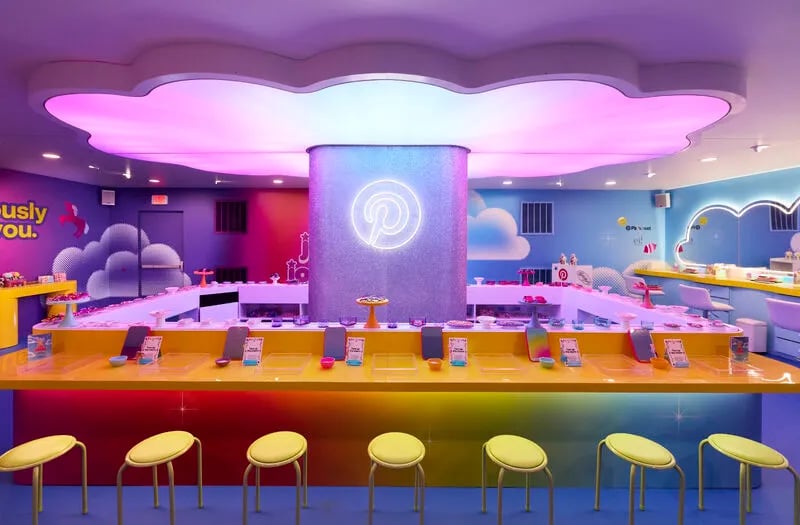
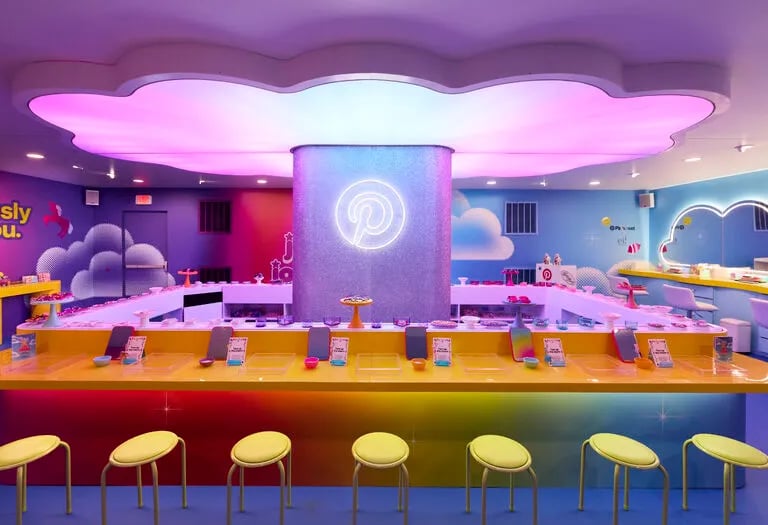
Pinterest showed up to Coachella with a rainbow-gradient beauty bar and one counter-intuitive rule: no phones allowed. In an environment that’s basically designed for content creation, Pinterest created a space where people had to be present. The activation offered free beauty services, makeup touch-ups, hair styling, skincare, but to participate, you had to put your phone away. It was a quiet rebellion in the most over-documented weekend of the year.
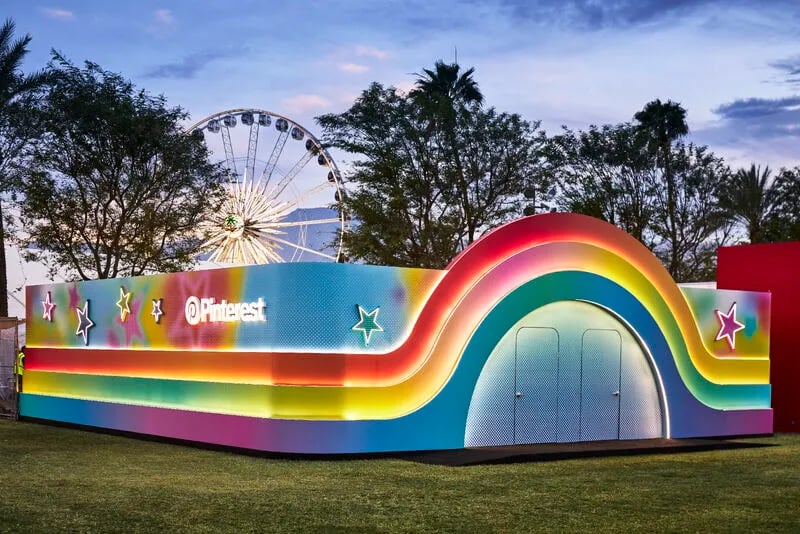
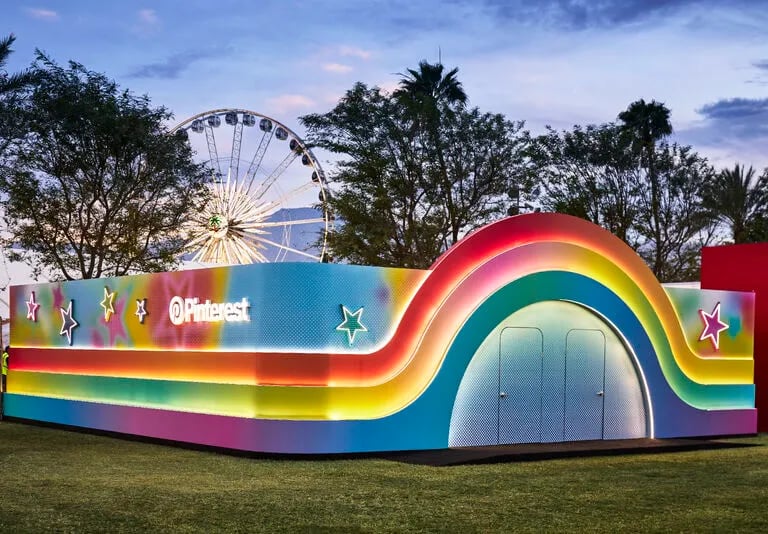
Why it worked: The no-phone policy wasn’t just a gimmick, it was a brand statement. Pinterest has been trying to reposition itself as the anti-doomscroll platform, the place you go for inspiration, not comparison. A beauty bar that forces you to disconnect, even for 10 minutes, reinforces that message in a way no ad campaign could. It also created a rare thing at Coachella: an experience people actually experienced, rather than just photographed.
The strategic play: This activation worked because it aligned with Pinterest’s broader brand narrative. It wasn’t a random experiential stunt, it was a physical manifestation of the platform’s ethos. In a world where every brand is competing for screen time, Pinterest made the case for putting the screen down. That’s bold, and it’s exactly the kind of positioning that cuts through.
The takeaway: If your brand has a point of view, your activations should reinforce it, even if that means going against the grain. The best experiential marketing doesn’t just chase engagement; it makes a statement about what your brand believes.
What Marketers Can Learn
The best Coachella activations this year weren’t the loudest or the most celebrity-packed, they were the ones with the clearest strategic intent. rhode proved that brand consistency translates. Gap showed that product-centricity still works & Pinterest made the case for brand conviction over trend-chasing.
Festival marketing isn’t about showing up, it’s about showing up as yourself, with clarity and purpose.