SEPHORiA: How Sephora Built the Most Coveted Room in Beauty
On paper, it's a beauty festival. In practice, it's one of the most sophisticated brand strategies in retail today.
When Sephora first launched SEPHORiA in Los Angeles in 2018, it looked like a fan appreciation event, a nice gesture for its most loyal beauty consumers. Eight years later, it’s something else entirely.
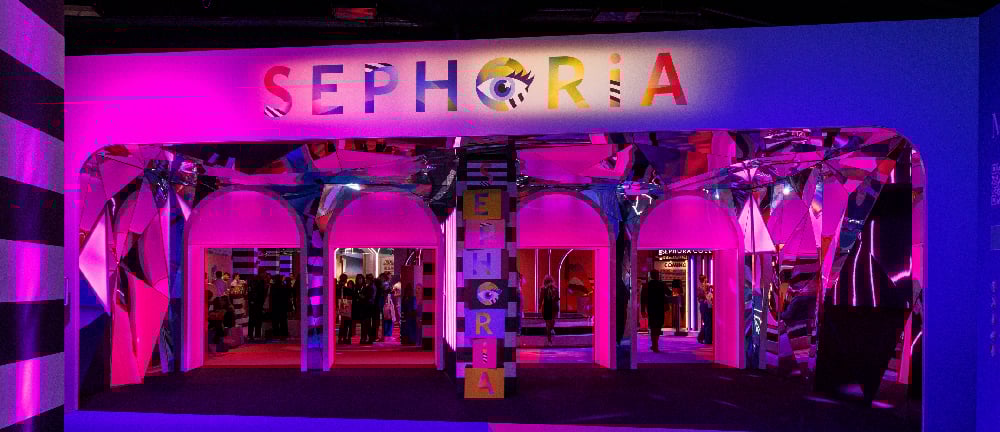
SEPHORiA is now a fully realised experiential platform. A two-day immersive event where 50+ brands activate under one roof, where beauty founders rub shoulders with consumers, where product drops happen before anywhere else, and where the energy of beauty culture, its excitement, its discovery, its community, is compressed into a single weekend. This year’s edition, themed Beauty Multiverse, returned to Downtown Los Angeles on March 20–21 at Magic Box at The Reef.
But here’s what’s worth paying attention to: SEPHORiA isn’t just a great event. It’s a masterclass in how a retailer can move from distribution channel to cultural institution.
What Actually Happens at SEPHORiA
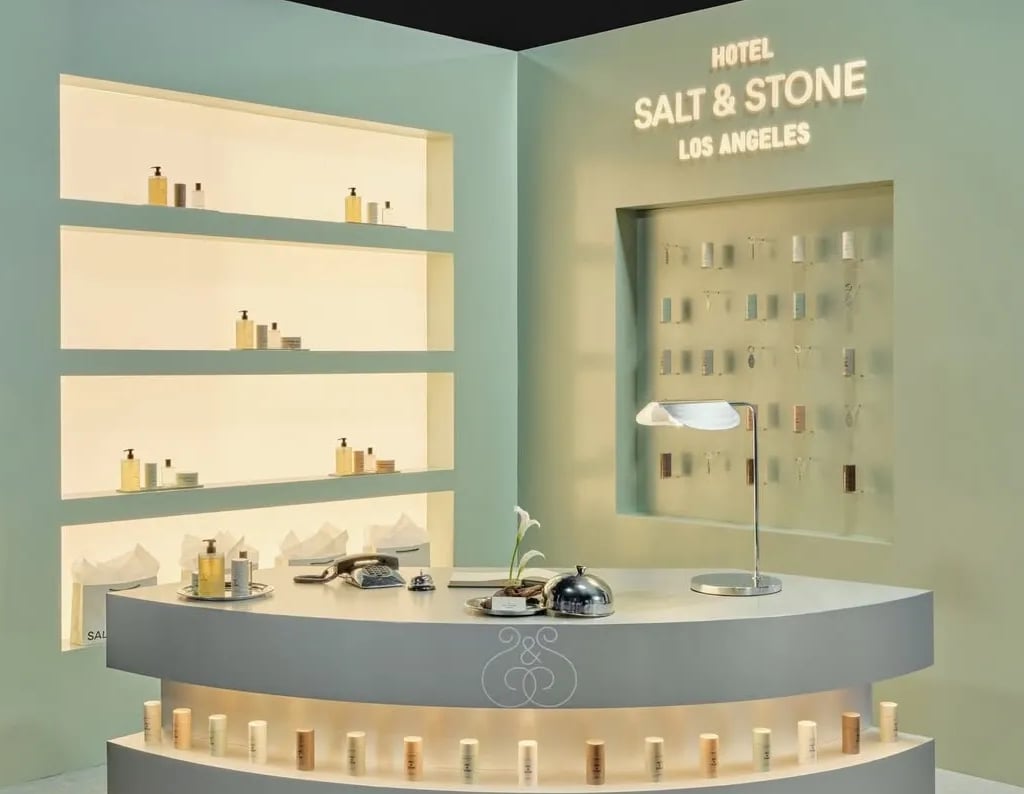
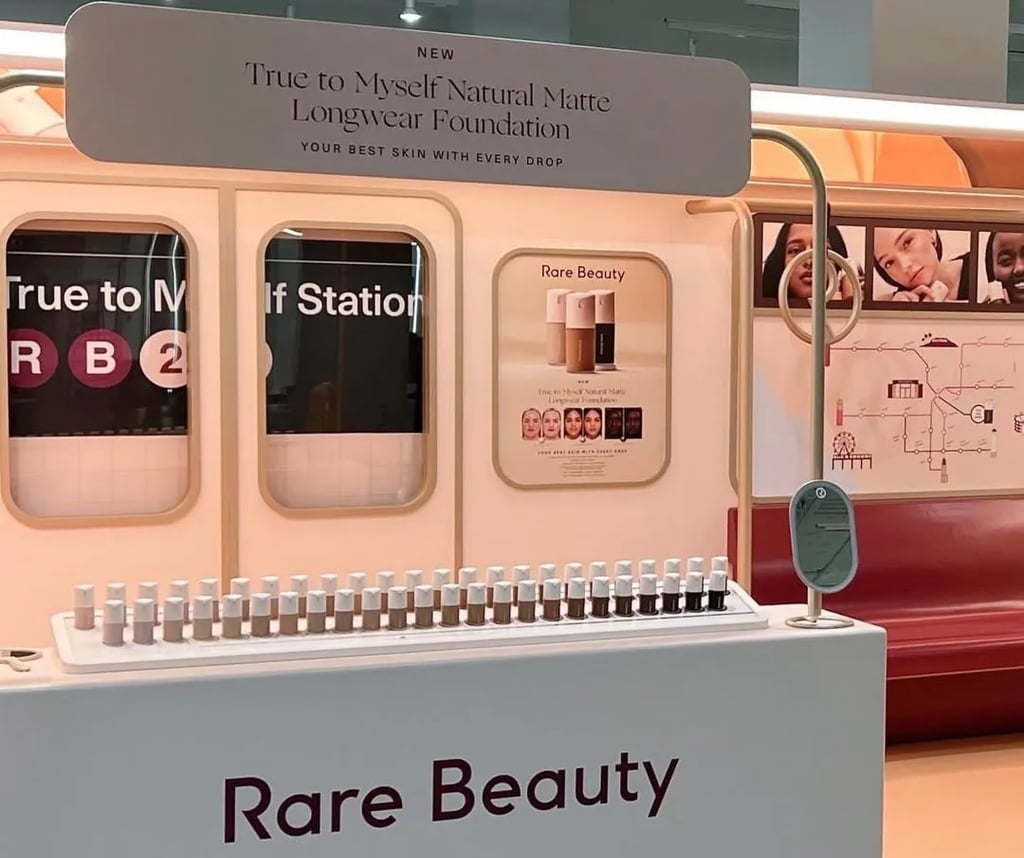
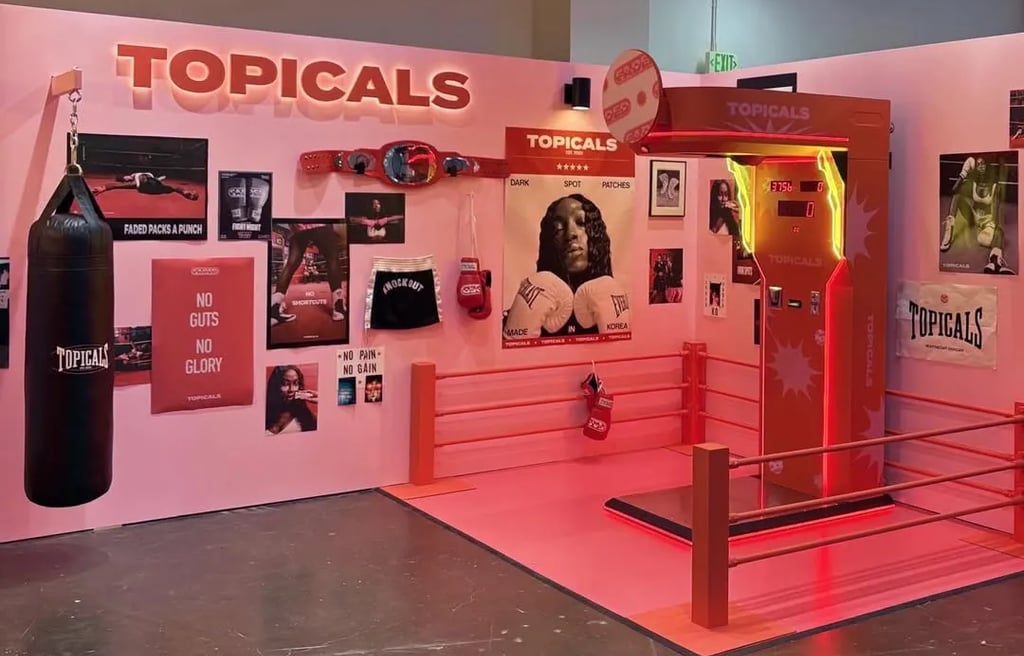
SEPHORiA is structured around immersive brand activations, each brand gets its own experiential space, designed to be visually compelling and deeply interactive. Attendees rotate through, sampling products, attending masterclasses led by beauty icons and brand founders, catching fireside chats and panel discussions, and picking up exclusive product drops and limited-edition merchandise only available at the event.
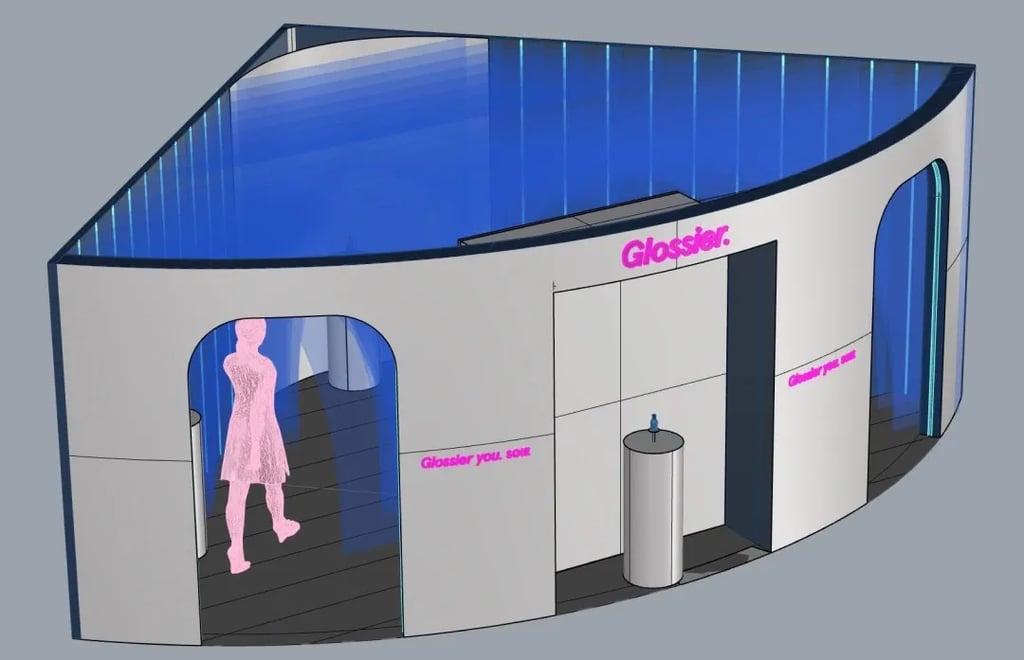
The brand roster reads like a Sephora edit at its most curated: Glossier, Rare Beauty, Laneige, Topicals, Touchland, YSL Beauty and more. Each one brings its own universe to life within the larger SEPHORiA world.
The Strategic Breakdown
1. Sephora turns its retail ecosystem into a living brand world
Every brand that activates at SEPHORiA is already a Sephora stockist. This isn’t a trade show where floor space is sold to the highest bidder, it’s Sephora taking its existing retail relationships and translating them into a fully immersive, consumer-facing experience. The shelf becomes a world and the product becomes a moment. That’s a fundamentally different brand interaction than anything a store environment or digital ad can create.
For the brands involved, it’s also a rare opportunity to exist outside the constraints of retail: no shelf positioning, no competitor adjacency, no visual noise. Just their story, told on their own terms, to an audience that already chose to show up.
2. The most engaged consumer in beauty is already in the room
SEPHORiA’s audience isn’t a broad demographic, it’s Sephora’s most loyal, most passionate, most purchase-ready beauty consumers. Rouge members, the brand’s highest loyalty tier, get first access to tickets. These are people who don’t need to be convinced to care about beauty. They’re already invested.
For brand partners, that changes everything. The typical awareness-to-consideration-to-conversion funnel collapses. You’re not trying to capture attention. You’re deepening a relationship with someone already predisposed to love what you make. That’s an audience no paid media strategy can manufacture.
3. Experiential as brand storytelling
In a standard retail environment, a brand gets a shelf, a gondola, maybe a display. At SEPHORiA, they get an entire activation space: designed, staffed, and brought to life by the brand itself. Founder masterclasses, exclusive product drops, immersive set design, hands-on sampling. The consumer doesn’t just encounter the brand. They experience it.
This is where the real branding work happens. Because what people remember isn’t the product they picked up, it’s how the brand made them feel. That emotional imprint is what drives long-term brand loyalty, word of mouth, and cultural relevance in a way that performance marketing simply cannot replicate.
4. UGC as the amplification engine
SEPHORiA doesn’t need a content brief. It needs an environment compelling enough that content creation becomes the natural response, and it delivers that every year. Thousands of attendees documenting activations, drops, and moments across TikTok and Instagram means the event’s reach extends far beyond the room.
This is the modern amplification model: build something worth talking about, then let your community do the talking.
The Consumer Psychology at Play
SEPHORiA works because it understands something fundamental about modern beauty consumers: they don’t just want products. They want access, identity, and belonging.
The event gives attendees the feeling of being an insider, someone who was there when a product dropped, who got face time with a founder, who exists within the inner circle of beauty culture. That feeling is powerful. And it’s sticky in a way that a discount code or a loyalty point simply isn’t.
There’s also a scarcity dynamic worth noting. The experience is time-limited, location-specific, and access-controlled. Scarcity creates desire. Desire creates cultural conversation. Cultural conversation creates brand equity.
What Marketers Can Learn From This
SEPHORiA is not replicable in its exact form, not every brand has Sephora’s scale, roster, or resources. But the strategic principles behind it are.
The core insight is this: the brands winning right now are the ones building environments, not just campaigns. Environments where consumers feel something. Where they belong to something. Where discovery happens on their terms, in a context they’ve actively sought out.
Whether that’s a pop-up, a community platform, a members event, or a flagship experience, the question is the same: are you creating a moment people want to be inside? Or are you interrupting a moment they’re already in?
SEPHORiA answers that question beautifully.