
Why Brands Are Betting on Milan Design Week
And what it reveals about category expansion strategy especially within luxury & lifestyle brands.
Last week, Milan Design Week transformed the city into a hub for global creativity, drawing in architects, brands, artists, and design enthusiasts from around the world.
The event unfolds in two main parts: Salone del Mobile, hosted at Fiera Milano, where the focus is on furniture, interiors, lighting, and industrial design; and Fuorisalone, a series of installations, exhibitions, and pop-ups spread across galleries, showrooms, courtyards, and even private residences throughout the city.
But walk through Milan during design week and something becomes immediately clear: this is no longer just a furniture fair. Fashion houses are building installations. Sportswear brands are opening design labs. Fragrance companies are launching concept spaces. Milan Design Week has quietly become the proving ground where luxury and lifestyle brands go to demonstrate they’re more than their core category.
The question is: why Milan? Why design? And why are brands committing recurring resources to show up here year after year?
The Strategic Shift: From Product Launches to Design Legitimacy
This year’s activations reveal a fundamental shift in how established brands justify experiential marketing spend. Milan Design Week has become the stage where brands prove they understand design, not just as aesthetic, but as thinking, as process, as cultural positioning.
The throughline across standout activations: Milan is where brands earn permission to play in new territories, justify their creative authority beyond their core product, and prove their design thinking is a moat competitors can’t easily replicate.
Case Study 1: Nike Air Lab
Nike didn’t just show up at Milan Design Week. They built something permanent.
The Air Lab, housed at Dropcity, an emerging Milanese center for architecture and design occupying 15 former railway tunnels behind Milan Central Station, featured 100+ never-before-seen prototypes exploring air as a design medium.
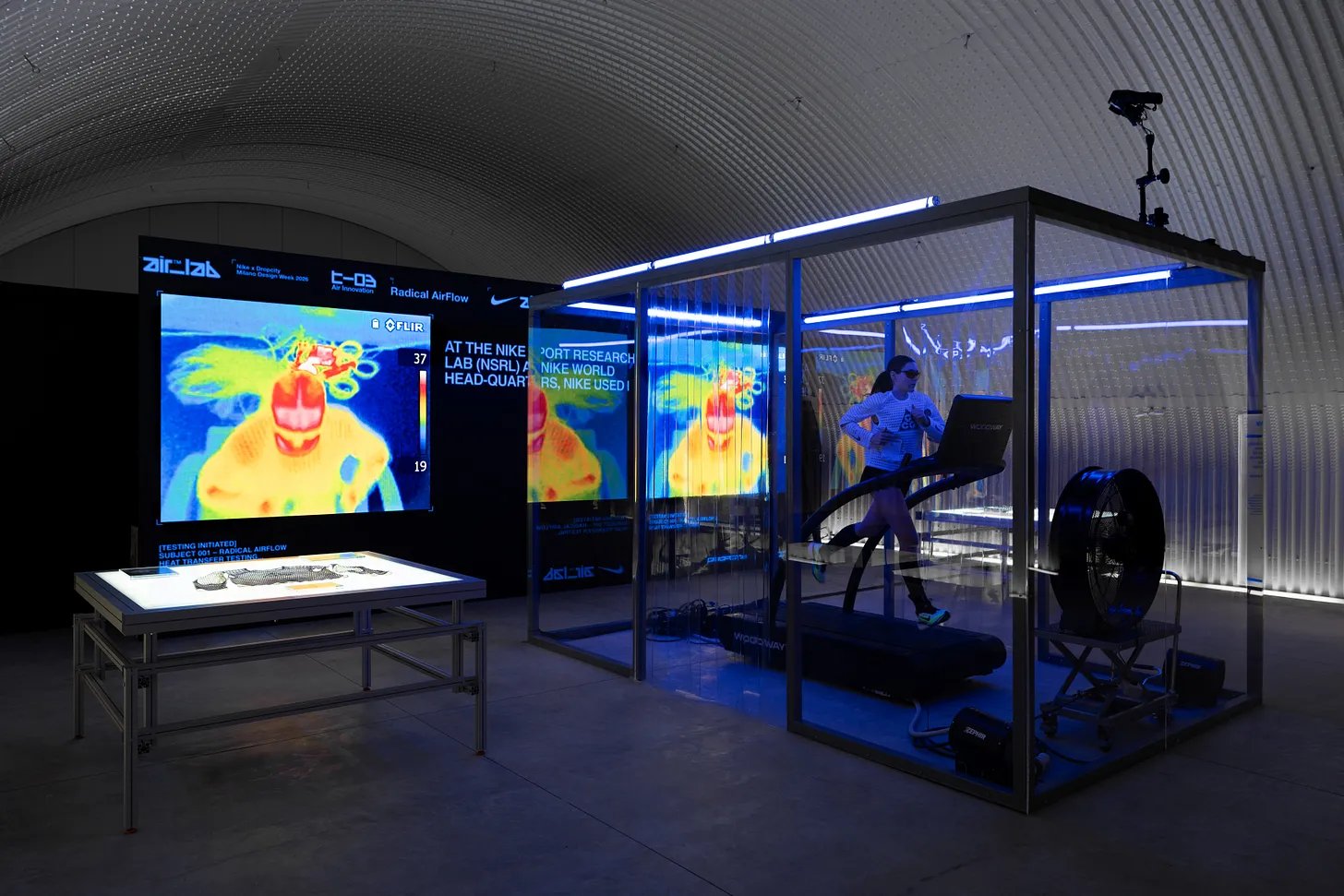
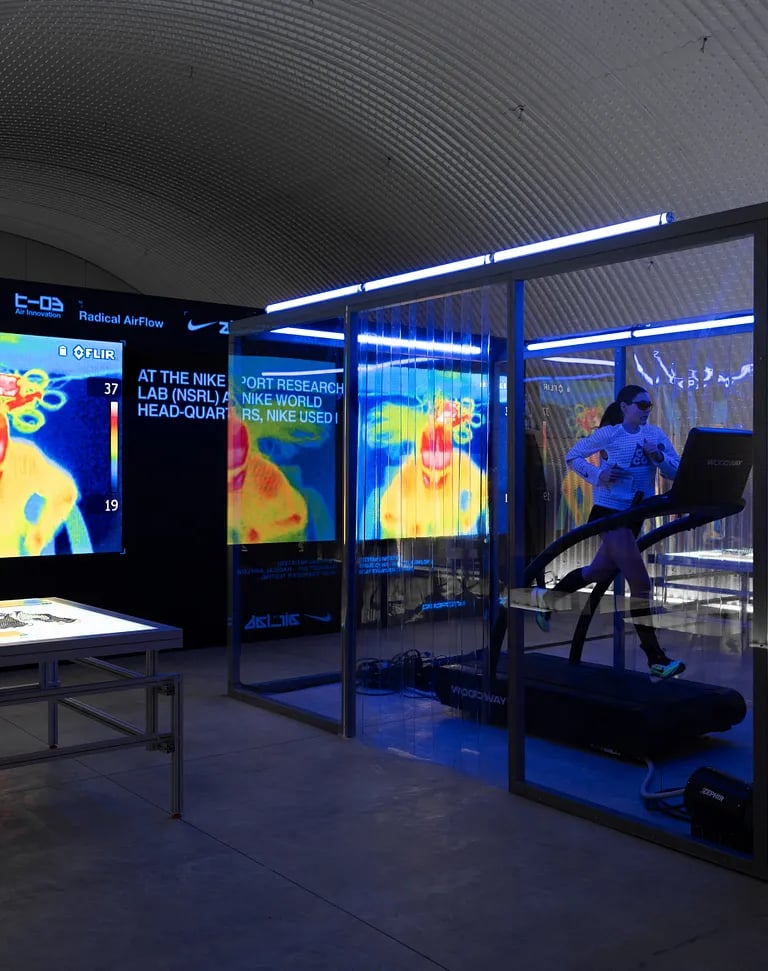
Visitors walked through five arches showcasing the past, present, and future of Nike Air technology: samples and swatches tracing the development of Air Liquid Max, FlyWeb, Radical AirFlow, Therma-FIT Air Milano, and other innovations.
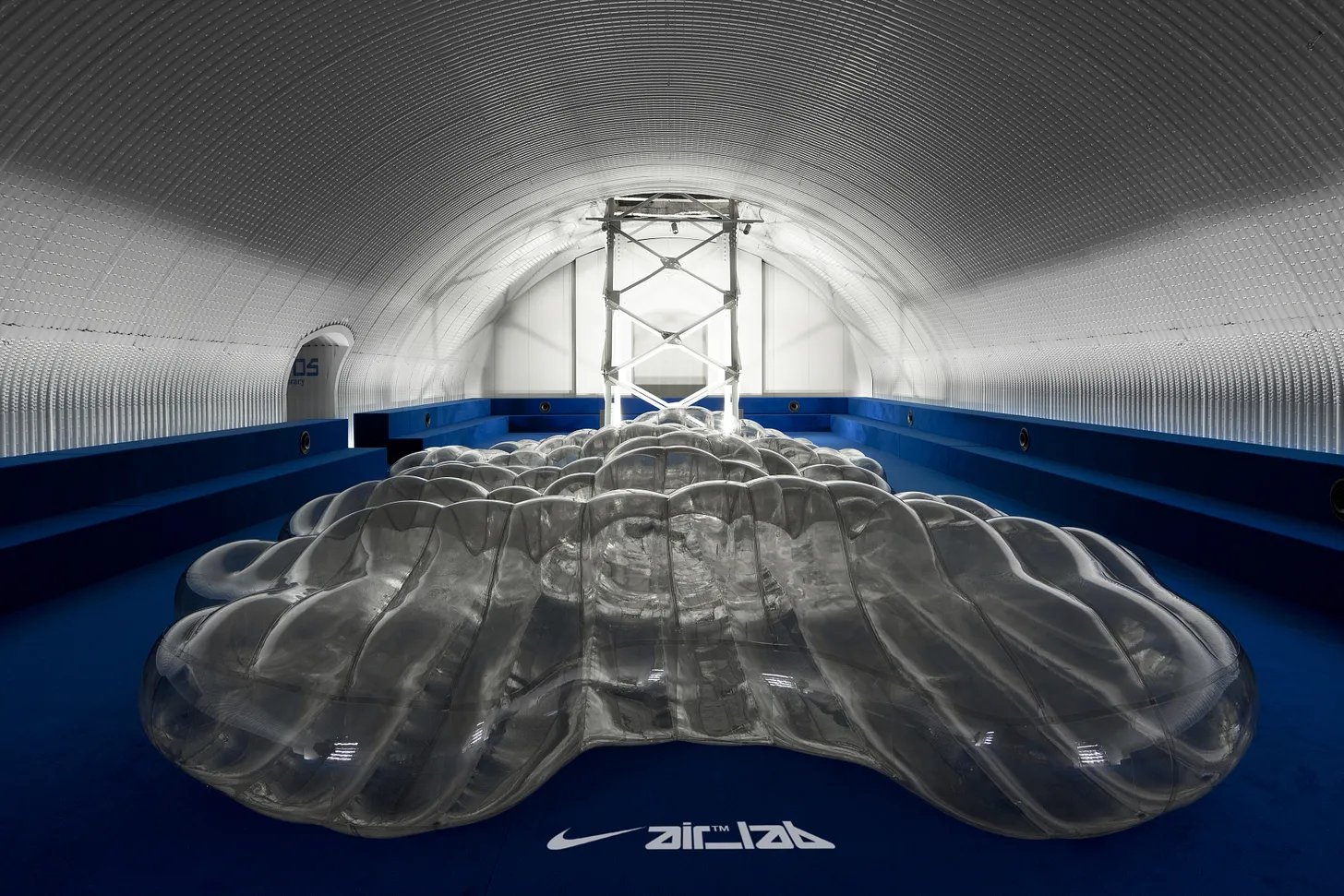
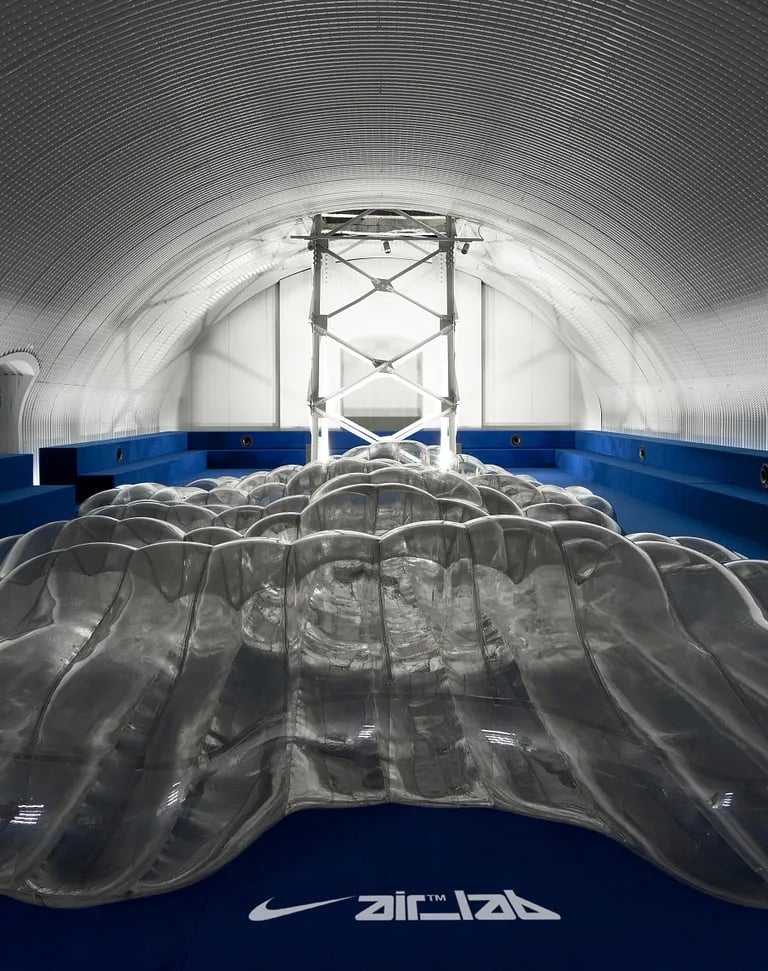
Eight tool stations explored air through different design principles: visualizing (air as evidence), forming (air as shape), deforming (air as transformation), pumping (air as expansion), suctioning (air as void), calibrating (air as impulse), cooling (air as subtraction), and blasting (air as force).
But here’s the strategic move: after Milan Design Week ended, the equipment, robotic arms, thermoforming machines, pneumatic cylinder kits, remained at Dropcity, accessible to anyone in Milan’s design community developing prototypes for building elements, furniture, or industrial products.
Nike Chief Design Officer Martin Lotti framed it clearly: “Few places mean more to the global design community than Milan. It brings us together and we wanted to give something back that would endure. The Air Lab becoming a permanent part of Dropcity reflects our commitment to ongoing experimentation, learning and innovation, long after design week ends.”
Why this matters strategically: Nike didn’t just demonstrate technical innovation. They invested in permanent infrastructure that cements their legitimacy within the global design community.
It’s not a pop-up. It’s not ephemeral brand theater. It’s a permanent commitment that signals Nike’s design thinking extends beyond performance footwear into architecture, industrial design, and material innovation.
The ROI isn’t measured in immediate sales, it’s measured in long-term credibility with tastemakers, architects, and design professionals who influence broader culture.
Case Study 2: Moncler Giant Puffers
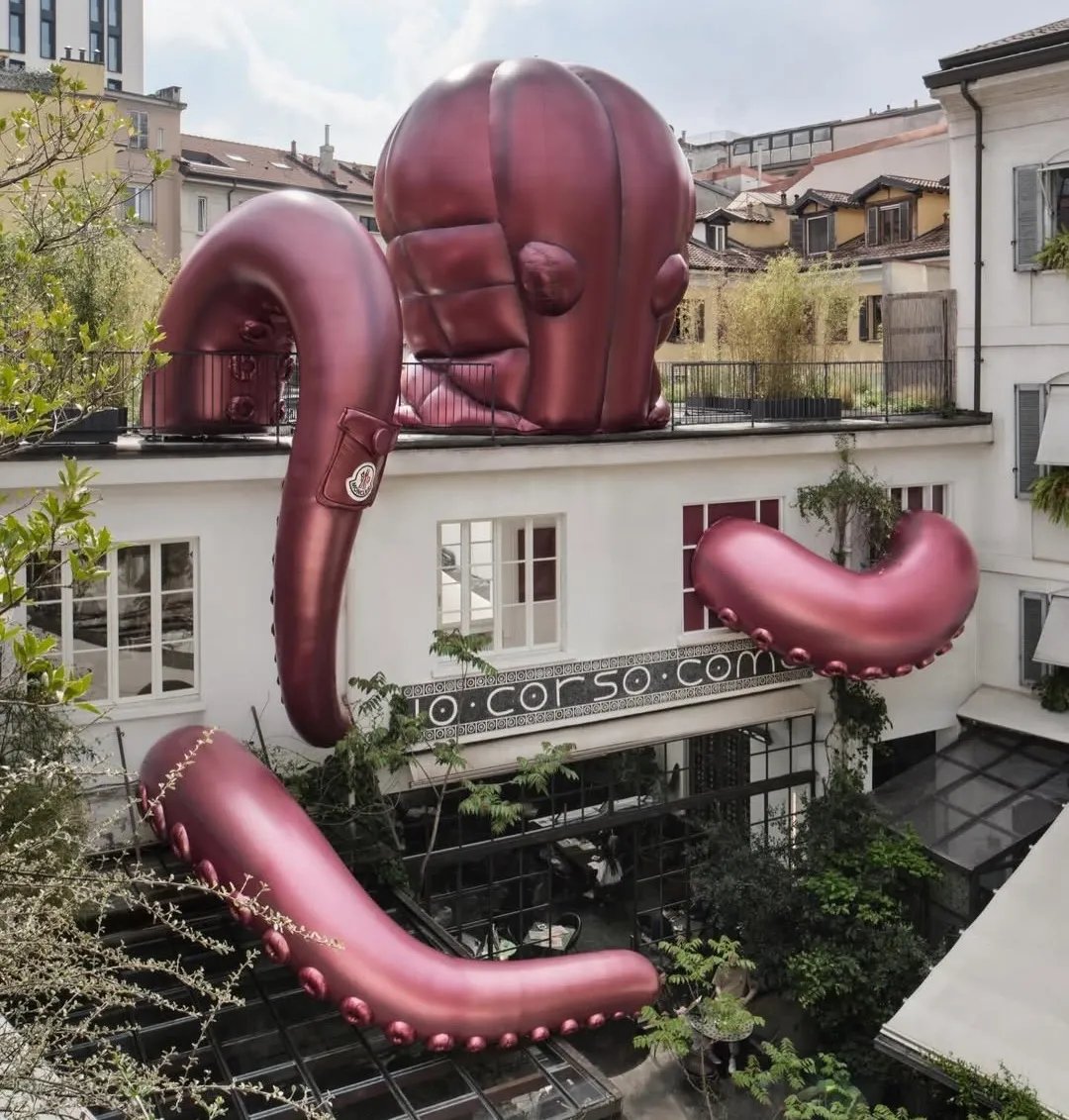
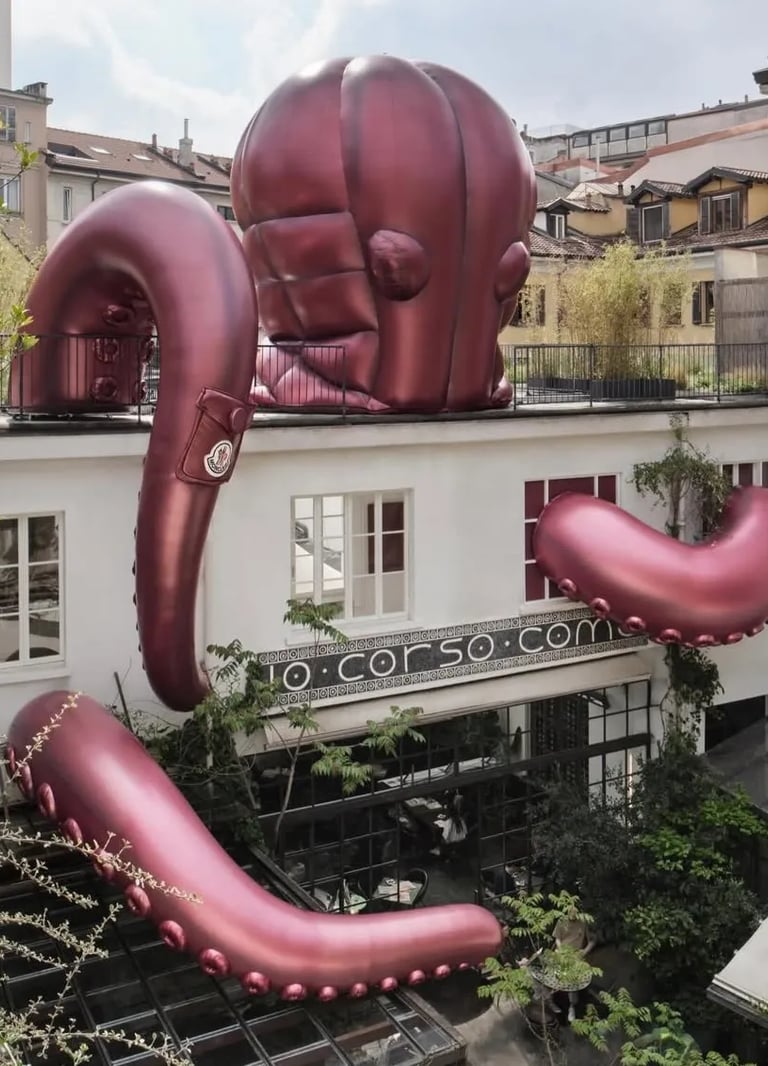
Moncler wrapped a giant inflatable octopus around the facade of 10 Corso Como, part of their “Have a Puffy Summer” campaign. The installation featured massive, inflatable sea creatures, octopus, whale, lobster, seahorse, crab, flamingo, created by set designer Andy Hillman, translating Moncler’s signature quilted puffer aesthetic into playful, oversized sculptures.
Inside the 10 Corso Como store, 24 looks from the Summer 2026 collection were displayed, showcasing how Moncler reinterpreted their “puffiness” through lightweight, transitional wardrobe pieces designed for seasonal shifts. The campaign, fronted by Jamie Dornan, extended globally with similar installations in Seoul, Hong Kong, Paris, and Miami.
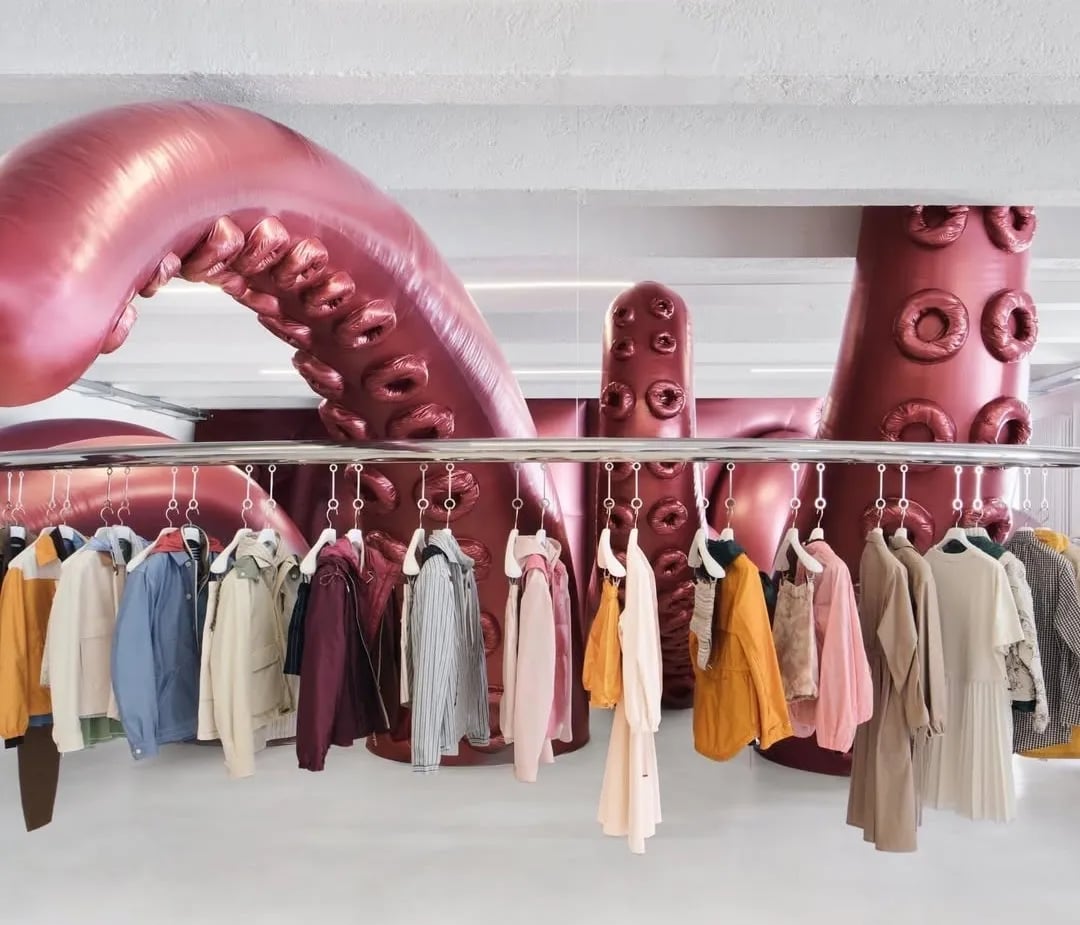
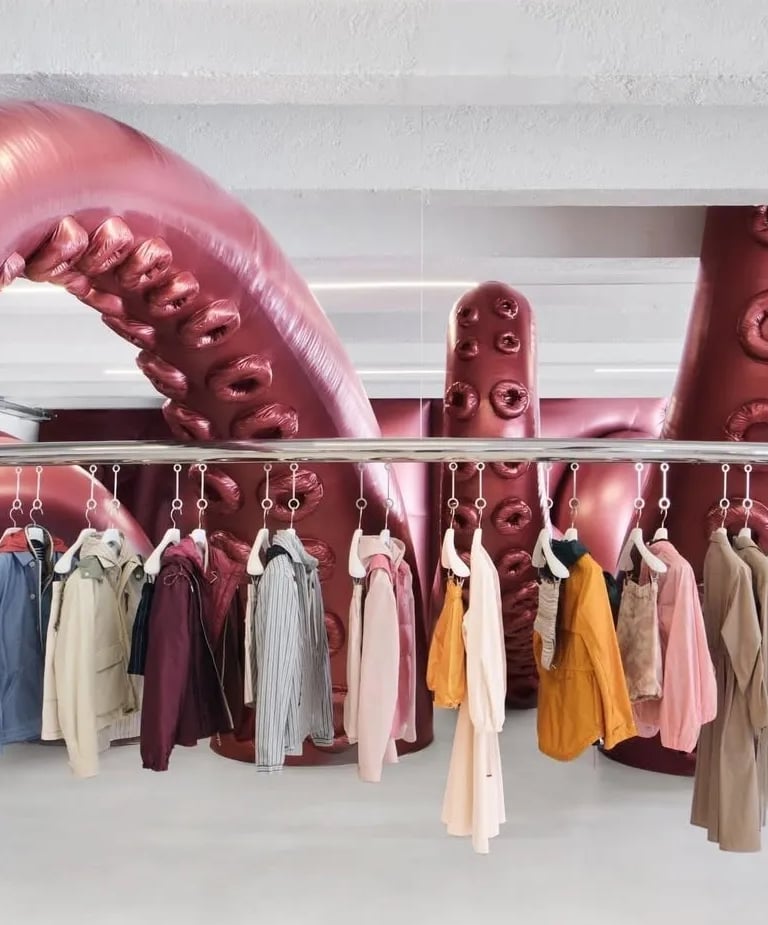
Why this matters strategically: Moncler’s core business is winter outerwear. Their brand DNA is built on the puffer jacket. But Milan Design Week allowed them to prove that “puffiness” isn’t just a product feature, it’s a design philosophy that works spatially, sculpturally, experientially. The giant octopus wasn’t selling jackets. It was demonstrating that Moncler’s design language translates across mediums in ways that feel coherent, not opportunistic.
This is category expansion credibility in action. If Moncler wants to expand into homeware, furniture, or lifestyle products in the future, this activation proves they understand how to translate their signature aesthetic into new formats. It’s not a licensing deal. It’s a demonstration of design fluency.
Three Strategic Drivers Behind the Milan Commitment
1. Category Expansion Credibility
When fashion brands expand into homeware, fragrance, or lifestyle categories, they face a credibility gap. Consumers are savvy enough to know the difference between a brand that understands a category and a brand licensing its logo onto products designed by someone else.
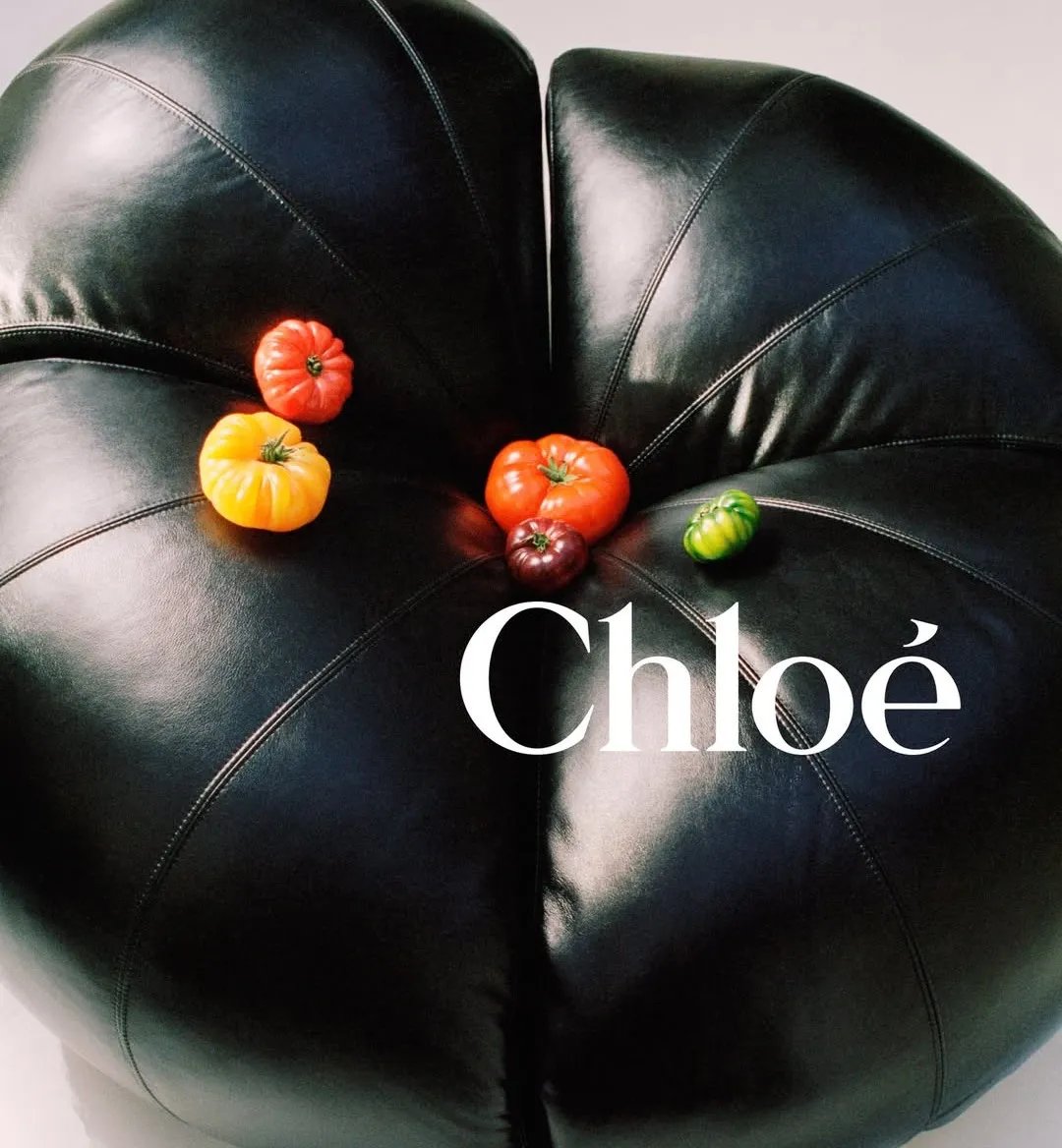
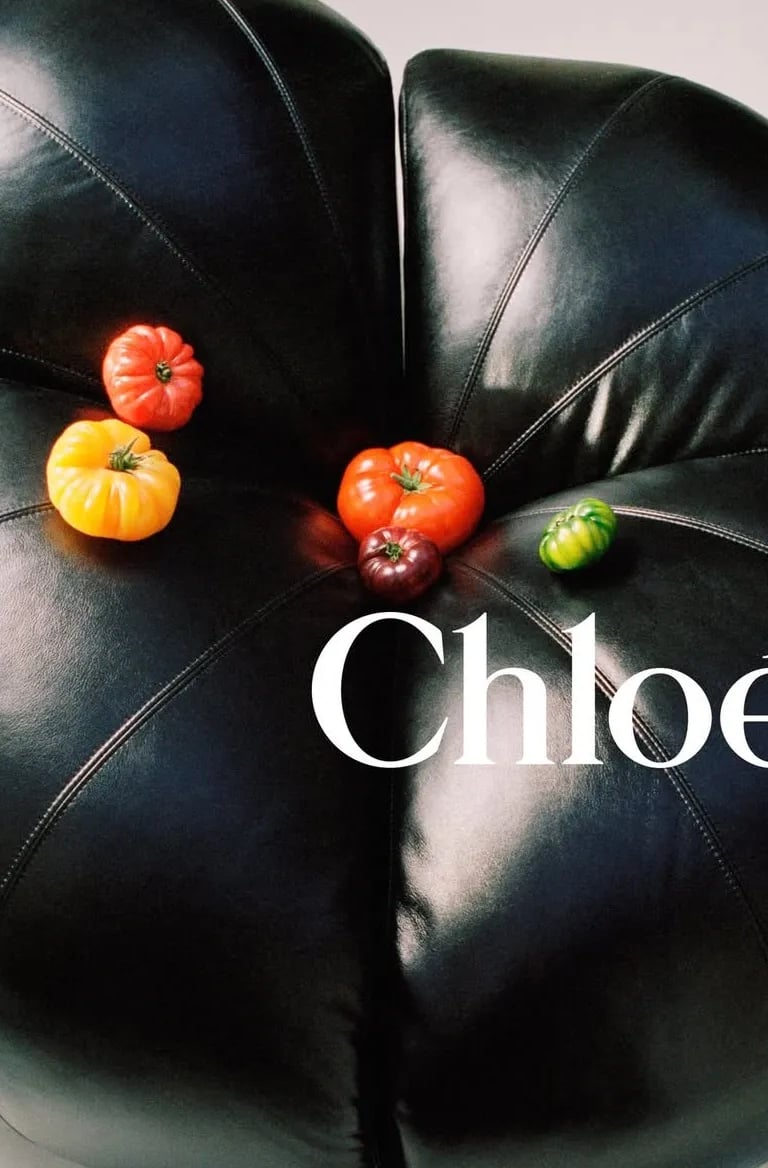
Milan Design Week solves this. Chloé’s re-edition of the 1970 Tomato Chair, originally designed by Christian Adam for Poltronova, signals the brand is serious about furniture (though maybe the tomato motif would have paired better with Loewe!). Louis Vuitton’s Objets Nomades collection at Palazzo Serbelloni, featuring a reissue of the brand’s first-ever furniture piece from 1921, proves their design lineage runs deeper than monogrammed luggage.
2. Design as Brand Moat
In a world where products can be copied, factories can be replicated, and trends move at the speed of TikTok, what becomes defensible? Design thinking. Spatial storytelling. The ability to translate brand DNA across mediums in ways that feel coherent, not opportunistic.
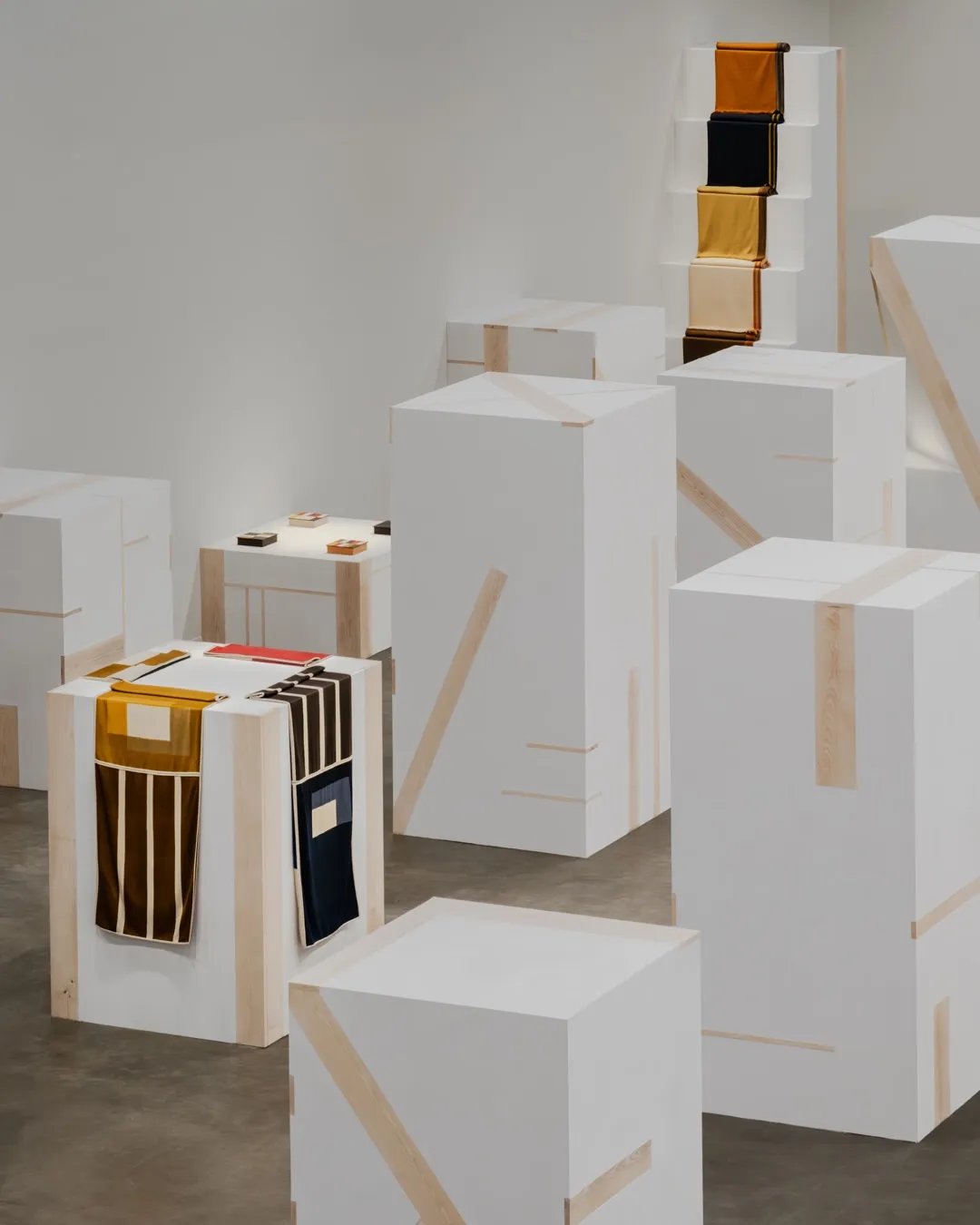
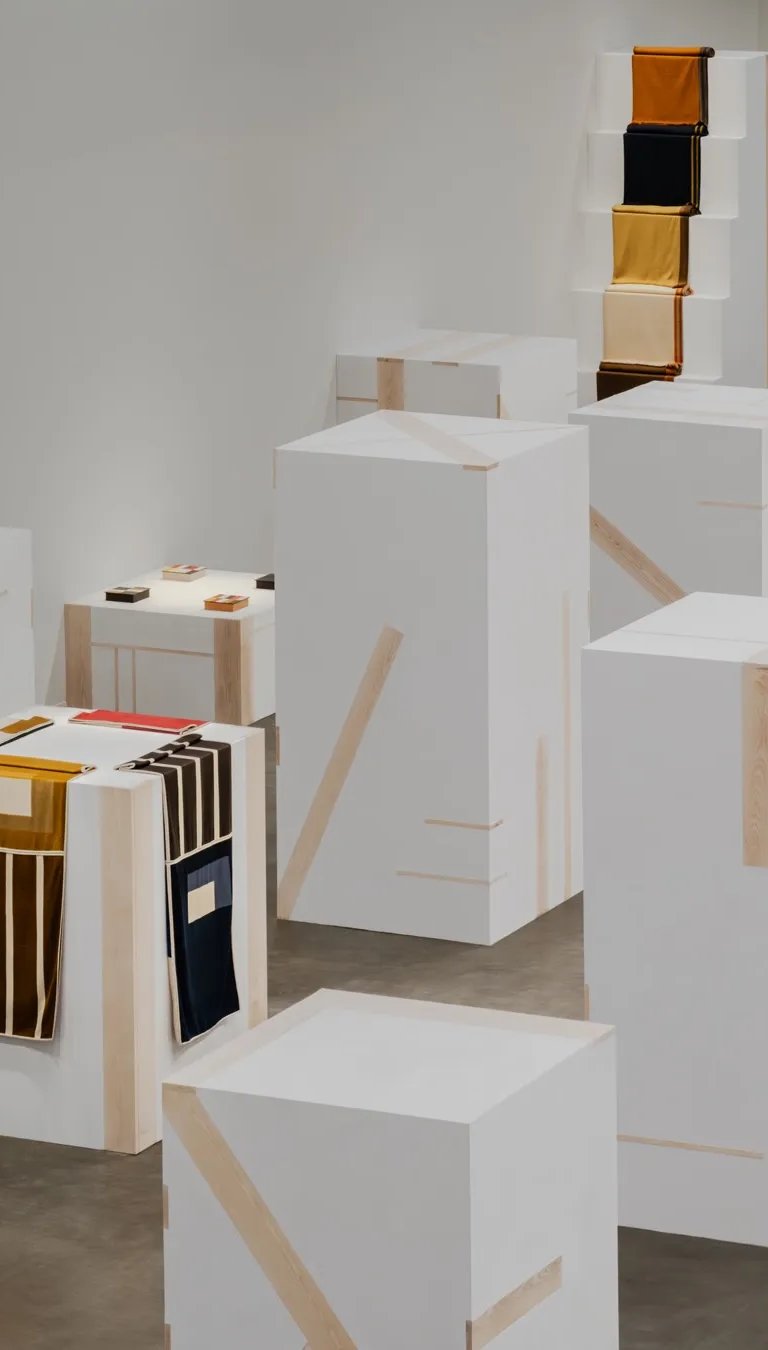
Hermès’ “City of Objects” installation at La Pelota exemplifies this. Designed by Charlotte Macaux Perelman and Alexis Fabry, the installation deployed plaster and beechwood volumes across the former jai alai court in a loose grid, creating shifting lines of sight as visitors moved through the space.
Objects, the Stadium d’Hermès table, Palladion vessels in hammered palladium-finish metal, were perched atop these plinths like coordinates on a map. The installation wasn’t about showcasing furniture. It was about demonstrating Hermès’ understanding of spatial relationships, materiality, and restraint, design principles that can’t be easily replicated.
3. Tastemaker Endorsement and Cultural Capital
The design community functions as cultural arbiters. Architects, curators, design press, and industry insiders influence broader taste in ways that extend far beyond their immediate circles. Earning credibility within this community compounds over time.
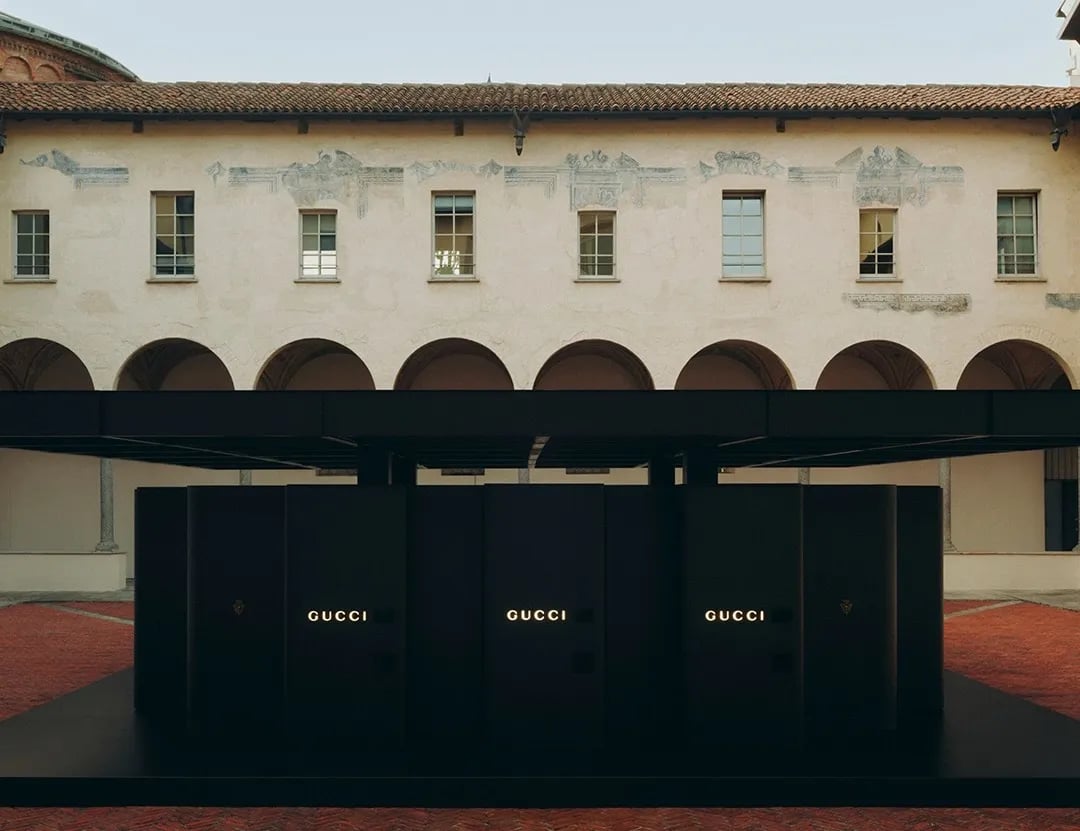
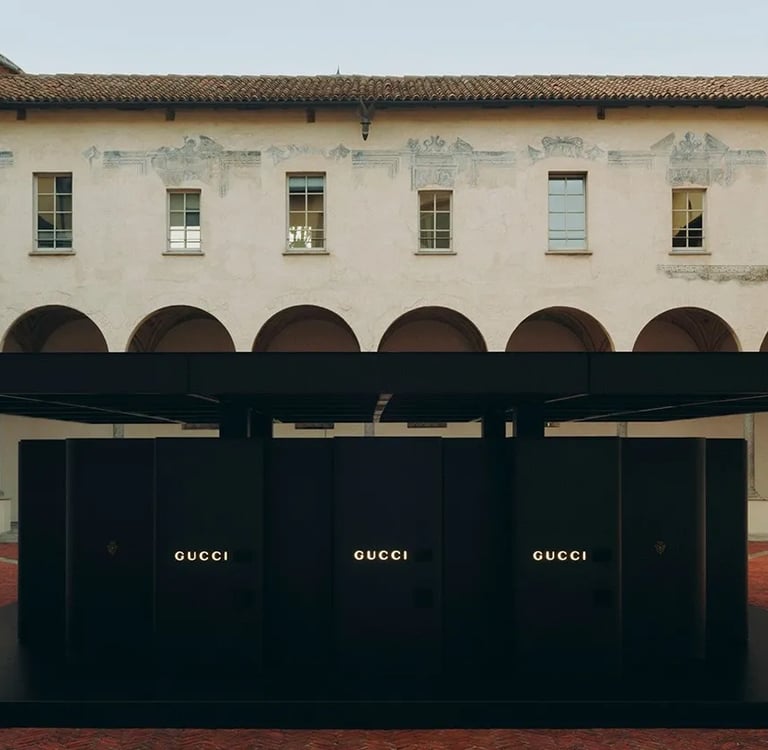
Gucci’s Memoria exhibition, curated by Demna, traced 105 years of house history through twelve tapestries woven by Tessitura Grassi at the Chiostri di San Simpliciano. Each tapestry represented a chapter, from Guccio Gucci’s early days as a hotel porter in London to Demna’s own tenure.
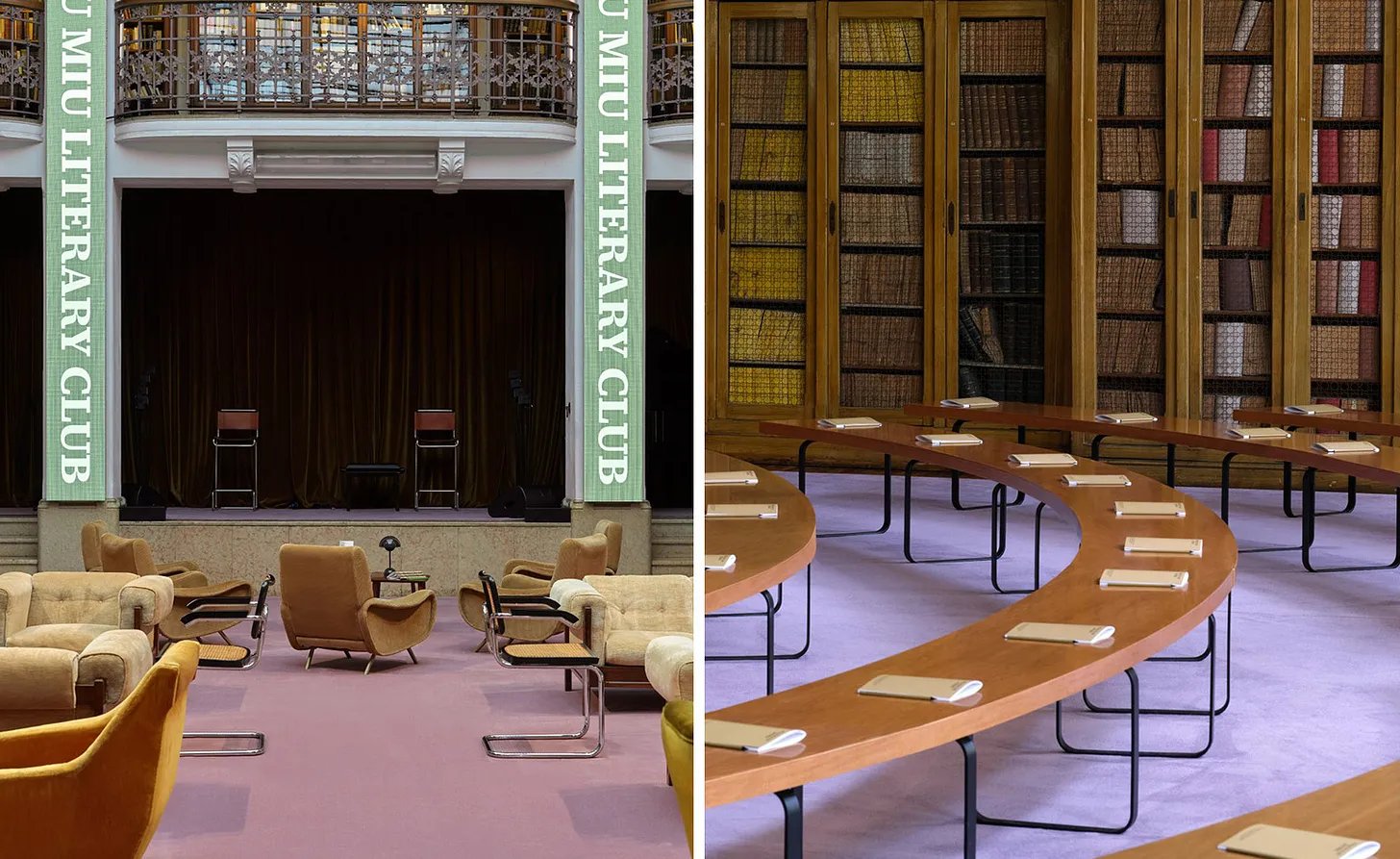
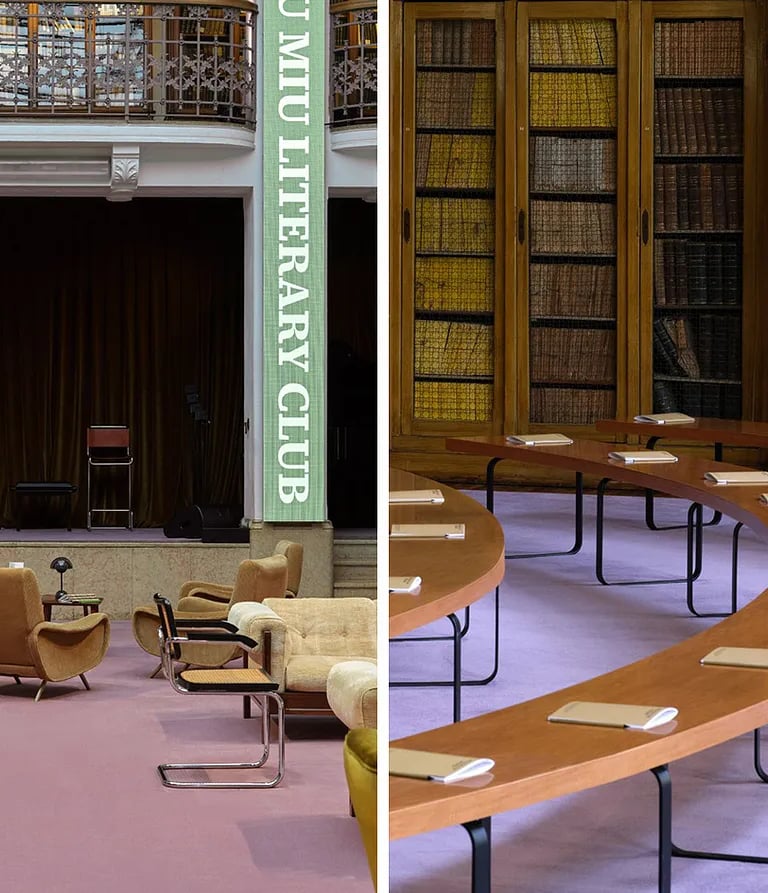
Miu Miu’s Literary Club, featuring readings, talks, and performances inspired by literary figures, positions the brand as a cultural convener, not just a fashion house.
These activations aren’t about immediate conversion. They’re about earning nods from tastemakers who shape cultural conversations beyond seasonal trends.
What This Signals for Brand Strategy
Milan Design Week has become the place where brands with resources prove they’re not just in culture, they’re making it. The ROI isn’t measured in foot traffic or immediate sales. It’s measured in brand elevation, audience alignment, content longevity, and strategic repositioning.
The brands winning at Milan aren’t treating it like a trade show. They’re treating it like a brand R&D lab, a place to test how far their identity can stretch, how deep their cultural credibility runs, and whether their vision works when it’s not just clothing or fragrance, but spatial, sculptural, and experiential.
For marketers watching this unfold, the question becomes: when does experiential investment in design credibility compound into brand equity that outlasts the activation itself? And for brands considering category expansion, Milan offers a clear answer: if you want permission to play beyond your core, you have to prove you belong in the conversation, not just with product, but with vision.